Volkswagen EV Battery Recall: Around 5,000 UK Vehicles Face Fire Risk
7 November 2026 | Motor Bridge UK Motoring News
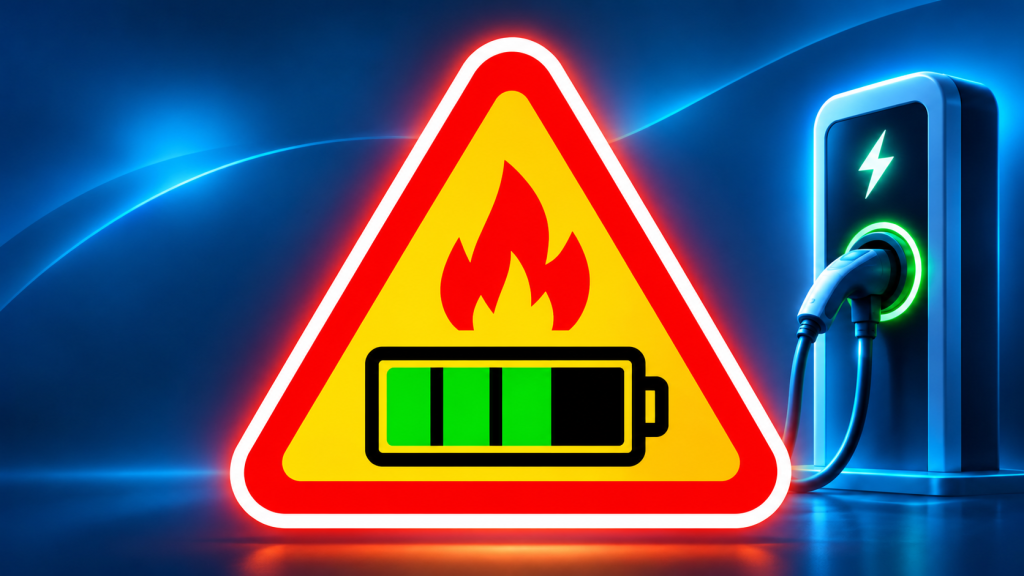
Thousands of Volkswagen Group electric vehicle owners across the UK could be affected by a safety recall involving high-voltage batteries that may overheat and potentially catch fire.
According to automotive publication Autocar, approximately 5,000 vehicles in the UK are understood to be affected by the battery safety campaign.
Volkswagen has confirmed that it is preparing a recall involving selected electric vehicles fitted with high-voltage batteries manufactured by a particular supplier between 2022 and 2025.
As a precaution, affected Volkswagen vehicles are having their maximum charging capacity restricted to 80% until the necessary safety checks or corrective measures have been completed.
The manufacturer has confirmed that some incidents involving property damage have occurred, although no personal injuries associated with the issue have been confirmed.
Owners of potentially affected vehicles are advised to follow manufacturer guidance and check their vehicle’s recall status.
Which Volkswagen Electric Vehicles Are Affected?
Volkswagen’s official UK battery safety information identifies selected examples of the following models:
Volkswagen ID.3 – Electric hatchback.
Volkswagen ID.4 – Electric SUV.
Volkswagen ID.7 – Electric saloon and estate range.
Volkswagen Commercial Vehicles has separately confirmed that selected ID. Buzz and ID. Buzz Cargo vehicles are included in its battery safety campaign.
Additional automotive reporting has identified the Volkswagen ID.5 and Cupra Born among the models associated with the wider Volkswagen Group battery recall.
However, the ID.5 and Cupra Born are not specifically named in the Volkswagen UK passenger-car notice reviewed for this article. Owners should seek confirmation from the relevant manufacturer or authorised retailer.
Importantly, not every vehicle within these model ranges is affected.
The campaign relates to particular high-voltage batteries and components rather than every vehicle manufactured between 2022 and 2025.
Volkswagen identifies its battery safety campaigns using references 93MV and 93MF.
For official manufacturer information, visit:
Volkswagen UK – High-Voltage Battery Safety Recall 93MV and 93MF
Volkswagen Commercial Vehicles – Battery Safety Recall 93MF
What Is Causing the Volkswagen Battery Fire Risk?
Volkswagen has identified concerns that certain components within high-voltage batteries supplied between 2022 and 2025 may not meet its required quality standards.
Under particular circumstances, charging an affected battery above 80% could result in overheating.
In more serious cases, overheating could create a fire risk, potentially endangering vehicle occupants and people nearby.
Volkswagen has confirmed that individual incidents involving property damage have occurred but states that there have been no confirmed cases of personal injury associated with the issue.
The manufacturer has not publicly identified the battery supplier involved.
The precautionary recall campaign is intended to identify affected vehicles, assess battery condition and arrange appropriate corrective action.
Why Are Some Volkswagen EVs Restricted to 80% Charging?
Volkswagen has introduced a temporary charging restriction as a precautionary safety measure.
For affected vehicles, the maximum permitted battery charge is being limited to 80%.
In many cases, this restriction has been applied remotely through an over-the-air software update.
Where the restriction has not been applied automatically, Volkswagen instructs affected owners to activate Battery Care Mode manually through the vehicle’s infotainment system or associated app.
Restricting the maximum charging level helps reduce the load placed on the battery while the necessary checks are arranged.
However, the restriction may temporarily reduce the vehicle’s available driving range.
Volkswagen advises that the original charging parameters can be restored once all necessary safety work has been completed.
Important: If Volkswagen has confirmed that your vehicle is affected, do not charge its battery above 80%. Continue following this restriction until the manufacturer confirms that it can safely be removed.
How to Check Whether Your Volkswagen Has an Outstanding Safety Recall
Owners of Volkswagen and Cupra vehicles can check available safety recall information using their vehicle registration.
Check Your Vehicle with Motor Bridge UK
Motor Bridge UK provides a free Vehicle Recall Checker designed to help motorists access available vehicle safety recall information.
The tool uses available DVSA vehicle information and provides relevant manufacturer contact guidance where applicable.
Check your vehicle’s available safety recall status:
Motor Bridge UK – Vehicle Recall Checker
Enter your UK registration number to check the available vehicle records.
Please note: Newly announced or developing manufacturer safety campaigns may not immediately appear in DVSA records.
A result showing no outstanding recalls does not guarantee that a vehicle is unaffected by this particular Volkswagen battery safety campaign.
For definitive confirmation, owners should contact Volkswagen, Cupra or an authorised retailer directly.
Check Through GOV.UK
The UK Government also provides an official vehicle safety recall checking service.
This allows motorists to check recorded outstanding safety recalls and access further information.
Visit:
GOV.UK – Check if a Vehicle Has Been Recalled
What Should Owners of Affected Vehicles Do?
Volkswagen has confirmed that affected owners will receive further information explaining the required next steps.
Depending on the vehicle and the results of its assessment, the process may involve a physical battery inspection, software-based corrective measures or replacement of affected battery modules.
In the meantime, owners should take the following precautions.
1. Follow the 80% Charging Restriction
If your vehicle is affected, Volkswagen instructs owners to charge the battery to a maximum of 80%.
If the restriction has not been applied automatically, affected owners should activate Battery Care Mode using the manufacturer’s instructions.
2. Monitor Manufacturer Communications
Look out for letters, notifications or messages from Volkswagen or Cupra concerning your vehicle.
Make sure your vehicle ownership and contact details are up to date.
3. Contact an Authorised Retailer
If you believe your vehicle may be affected, contact the relevant manufacturer or authorised retailer for confirmation.
They can advise whether your vehicle is included and explain any required safety checks.
4. Respond Promptly to Warning Lights
Volkswagen advises that if a yellow warning lamp appears on an affected vehicle, the owner should promptly contact an authorised Volkswagen retailer.
Any vehicle-specific instruction to stop driving must take priority over general advice.
Do not ignore battery-related warning messages.
5. Arrange Any Required Safety Inspection
If the manufacturer confirms that your vehicle requires a workshop inspection, follow its booking instructions.
Volkswagen has stated that the required checks and corrective work associated with its battery safety campaign will be carried out free of charge.
Owners should never attempt to inspect, repair or modify high-voltage battery components themselves.
Is It Safe to Continue Driving an Affected Volkswagen EV?
According to Volkswagen’s official UK guidance, affected vehicles may continue to be driven while awaiting the necessary safety checks, provided owners follow the manufacturer’s instructions.
Most importantly, the vehicle’s battery must not be charged above 80%.
Volkswagen also advises owners to promptly contact an authorised retailer if a yellow warning lamp appears.
However, this general guidance does not override any additional or more restrictive instructions issued for an individual vehicle.
If the manufacturer specifically instructs you not to drive your vehicle, you must follow that instruction.
What If Your Vehicle Shows Signs of a Battery Fire?
If your vehicle begins producing smoke, shows signs of fire or presents an immediate danger:
Stop as soon as it is safe to do so.
Switch off the vehicle.
Evacuate all occupants immediately.
Move to a safe distance from the vehicle.
Contact the emergency services on 999 if there is a fire or immediate danger.
Do not attempt to access the high-voltage battery or carry out repairs yourself.
For detailed vehicle-specific instructions, consult the manufacturer’s official safety recall information.
Will Volkswagen Owners Have to Pay for Recall Repairs?
Volkswagen has confirmed that the work required under its high-voltage battery safety campaign will be carried out free of charge.
The corrective action will depend on the individual vehicle.
Some affected vehicles may require a physical battery inspection, while others may receive software-related measures.
Where necessary, affected battery modules may also be replaced.
Under the UK’s vehicle safety recall system, manufacturers will normally arrange the necessary safety repairs without charging owners.
Further information is available through:
GOV.UK – Vehicle Recalls and Faults
Does This Mean Electric Vehicles Are More Likely to Catch Fire?
The Volkswagen battery safety campaign highlights a specific potential manufacturing-related defect.
It should not be interpreted as evidence that all electric vehicles present the same risk.
Safety recalls can affect petrol, diesel, hybrid and electric vehicles.
Manufacturers issue recalls when a potential defect has been identified that could affect vehicle safety.
These may involve electrical components, braking systems, steering, fuel systems, airbags or other safety-related equipment.
The important distinction is whether an individual vehicle is affected by a particular safety campaign.
Owners should follow the relevant manufacturer’s instructions rather than making assumptions based solely on a vehicle’s powertrain.
Motor Bridge UK: Helping Drivers Stay Informed About Vehicle Safety
Vehicle safety recalls are an important part of responsible vehicle ownership.
Whether you drive an electric, hybrid, petrol or diesel vehicle, checking available recall information can help you identify outstanding safety issues requiring attention.
Motor Bridge UK provides a free Vehicle Recall Checker designed to make accessing available recall information straightforward.
The service also helps motorists identify relevant manufacturer contact routes.
Check your vehicle’s available safety recall information today:
Motor Bridge UK – Check Vehicle Safety Recalls
Remember that manufacturer instructions always take priority, and newly announced campaigns may take time to appear in vehicle recall databases.
Sources and Further Information
This article has been prepared using official manufacturer information, UK Government guidance and independent automotive reporting.
Official manufacturer sources
Volkswagen UK – High-Voltage Battery Safety Recall
Volkswagen Commercial Vehicles – Battery Safety Recall
Government information
GOV.UK – Check Vehicle Safety Recalls
GOV.UK – Vehicle Recall Repairs and Guidance
Independent automotive reporting
Autocar – 5,000 Electric Volkswagens Face 80% Charging Limit Over Fire Risk
Auto Express – 5,000 Volkswagen EVs Recalled Over Fire Risk
Important Information
This article is provided by Motor Bridge UK for general motoring information and public safety awareness.
Information is based on manufacturer announcements, government guidance and automotive industry reporting available as of 7 November 2026.
The estimate of approximately 5,000 affected UK vehicles is attributed to independent automotive reporting and should not be interpreted as a final manufacturer-confirmed total.
Recall campaigns, affected vehicle specifications, repair arrangements and manufacturer safety instructions may change.
Motor Bridge UK is an independent motoring information service and is not affiliated with, sponsored by or endorsed by Volkswagen Group, Cupra, DVSA or the UK Government.
The Motor Bridge UK Vehicle Recall Checker uses available vehicle records and may not immediately reflect newly announced manufacturer safety campaigns.
A result showing no outstanding recalls does not guarantee that a vehicle is unaffected by a developing or recently announced safety issue.
For definitive confirmation of recall status and vehicle-specific safety instructions, always contact the relevant manufacturer or an authorised retailer.
Motor Bridge UK — Bridging the gaps to smarter motoring.