Virtual Garage

MOTOR BRIDGE UK / MOTORING SOLUTIONS

Accident Management – Support When You Need It Most

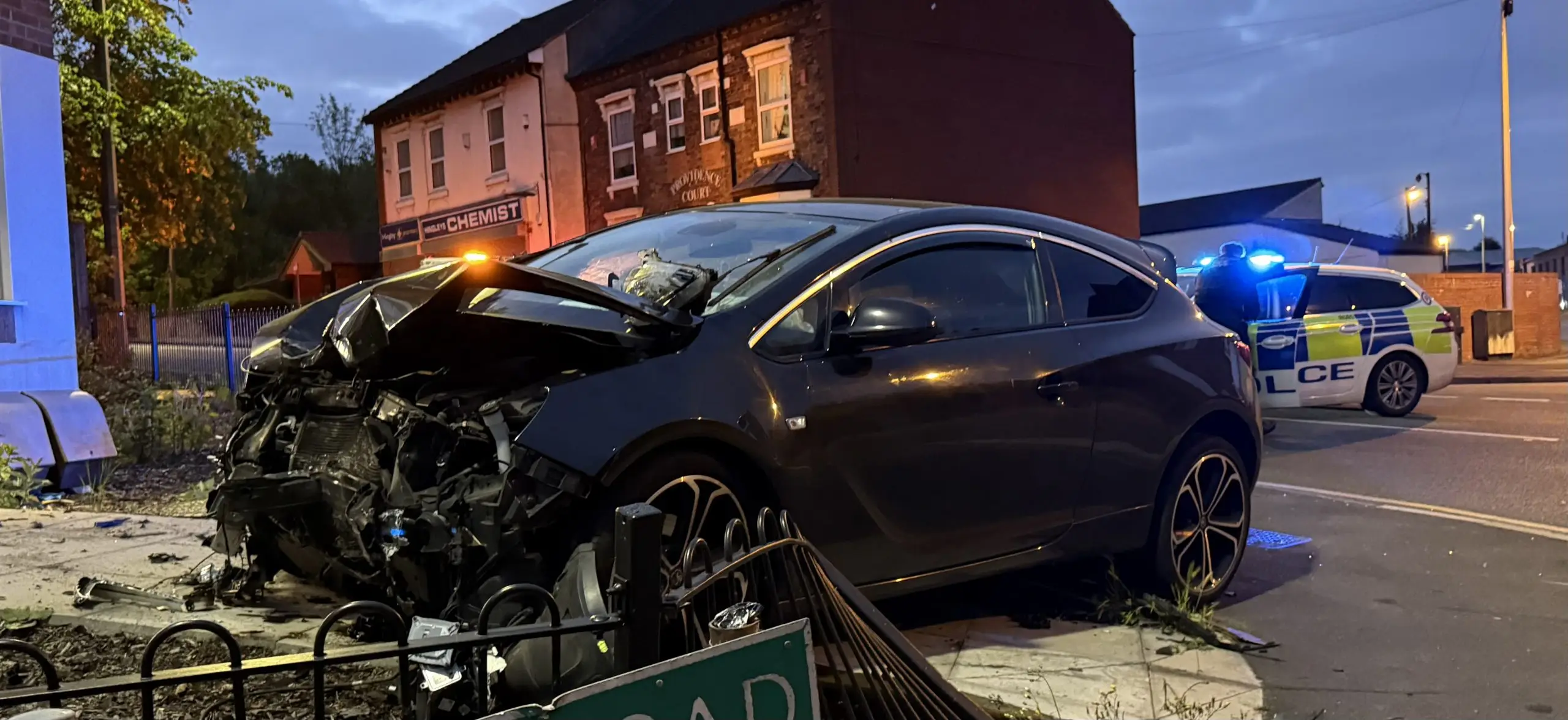
Being involved in a road traffic accident can be stressful, but understanding your options can help you decide what to do next. Motor Bridge provides useful guidance on accident reporting, vehicle recovery, repairs and insurance considerations, while helping you explore independent accident management services across the UK. Discover the support available and make more informed decisions following an incident.

accident management

Find Accident Management & Support Services

No partner solutions currently available

Motor Bridge UK does not currently have a partner solution listed for this category. Please check back another time. We hope the information and guidance on this page has helped you find some of what you were looking for.

MOTOR BRIDGE MOTORING GUIDE

Accident Management – Know Your Next Steps

Road traffic accidents can happen unexpectedly, leaving you wondering what to do next. From roadside safety and insurance reporting to vehicle recovery, repairs and replacement transport, understanding the process can help you make informed decisions. Explore our interactive guide to discover useful information about dealing with an accident in the UK.

Just Had an Accident?

Your immediate priority should always be safety. Follow these steps to understand what generally needs to happen following a road traffic collision.

1 Stop & Make Safety Your Priority +
Stop as soon as it is safe to do so. Switch off your engine where appropriate, use hazard warning lights when necessary and check for injuries.

If anyone is injured, trapped or in immediate danger, contact the emergency services on 999.

On motorways and high-speed roads, follow the Highway Code's specific safety guidance. Do not place yourself or others at risk by remaining near moving traffic.

2 Exchange Details & Record Information +
Where a collision causes relevant injury or damage, legal duties can include exchanging your name, address, vehicle registration and the vehicle owner's details with anyone entitled to request them.

When safe and appropriate, record the location, time, vehicle details, photographs of damage and witness contact information.

Avoid speculating about responsibility at the roadside. Provide accurate factual information and allow insurers or relevant professionals to assess liability.

3 Understand Police Reporting Requirements +
Not every collision needs to be reported to the police, but reporting is legally required in certain circumstances.

For example, where the law requires details to be exchanged and you cannot provide them at the scene, you must report the collision as soon as reasonably practicable and within 24 hours.

Additional requirements apply where someone is injured. If you're unsure whether a collision must be reported, contact the police for guidance.

4 Notify Your Insurer +
Contact your motor insurer in accordance with your policy's notification requirements, even if you do not intend to make a claim.

Explain what happened, provide accurate details and ask about the claims process, recovery arrangements and repair options.

Different policies have different conditions, so check your documents before committing to third-party services where possible.

5 Explore Recovery, Repairs & Support +
If your vehicle is damaged, it may need professional inspection before being driven.

Depending on the circumstances, available options may include vehicle recovery, approved repairers, independent garages or accident management providers.

Check any costs, contractual obligations and insurance implications before accepting services.

Understanding Accident Management

From damaged vehicles to insurance claims and replacement transport, there can be several things to consider after a collision. Explore the topics below to understand your options.

Accident Management Services What do these companies actually do? +
Accident management companies may help coordinate vehicle recovery, damage assessments, repairs, replacement transport or certain aspects of a claim. Services and contractual arrangements vary. Some operate independently of your insurer. Before appointing a provider, understand its role, charges, contractual terms and whether you could become responsible for costs.
Vehicle Recovery When your vehicle cannot be driven. +
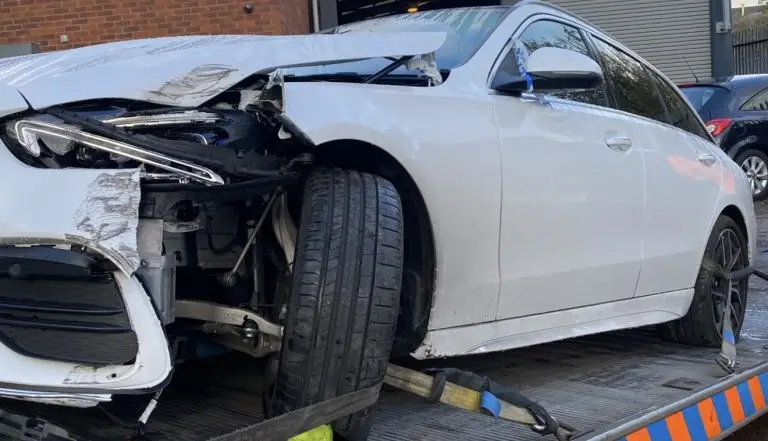
A damaged vehicle may need recovery to a suitable repair facility or storage location. Check who is arranging the recovery, where your vehicle will be taken, whether storage charges apply and who may be responsible for payment. Never assume a vehicle is safe to drive following a collision simply because it can still move.
Insurance Claims Understanding the claims process. +
Depending on your policy and the circumstances, an insurance claim may involve assessing liability, reviewing damage, arranging repairs and determining applicable excesses or other costs. Your insurer can explain its process and the cover available under your policy. Reporting an incident and making a claim are not necessarily the same thing.
Accident Repairs Getting your vehicle assessed. +
Collision repairs can range from cosmetic bodywork to specialist structural, mechanical or electronic repairs. Some vehicles require manufacturer-specified repair procedures or calibration of safety systems. Confirm the repair arrangements, authorisation process, costs and any warranty information with the relevant provider.
Replacement Vehicles & Credit Hire Understand the agreement first. +
A replacement vehicle may be available through an insurance policy or a separate hire arrangement. Credit hire is different from an ordinary courtesy car. Costs may be pursued from another party's insurer, but recovery is not guaranteed. Depending on the agreement, you could remain responsible for certain charges if costs are disputed or not recovered. Always check the hire rate, duration, insurance, excess, cancellation terms and potential liability before signing.
Non-Fault Accident Support What if someone else caused the accident? +
If another party is believed to be responsible, you may have options for recovering certain reasonable accident-related losses. However, liability and recoverable costs depend on the circumstances and available evidence. A provider describing a service as "non-fault" does not guarantee that liability will be accepted or that every cost will be recovered.

Before Choosing Accident Management Support

Accident management services can be useful in certain circumstances, but it's important to understand the arrangements before agreeing to anything.

Questions Worth Asking

Who is providing the service?
Is the company acting independently of my insurer?
Will I be signing a hire or repair agreement?
Could I become responsible for any charges?
Are there cancellation or storage fees?
Who will handle disputes or complaints?
Does the provider need regulatory authorisation for the services offered?

Different activities are subject to different regulatory requirements. Where a provider offers regulated claims management, legal or financial services, check its authorisation with the appropriate regulator.

Test Your Accident Knowledge!

How much do you know about dealing with an accident? Explore these quick questions to discover some important facts.

Do you always need to call the police after a minor collision? +
Not always! Police reporting requirements depend on the circumstances, including injuries, damage and whether legally required details have been exchanged. Some collisions must be reported even when they initially appear minor.
Does a non-fault accident automatically mean free replacement car hire? +
No! Replacement transport arrangements vary. Credit hire can create contractual responsibilities, and the recovery of hire charges is not guaranteed. Always understand the agreement before accepting a vehicle.
Should you notify your insurer even if you don't intend to claim? +
Generally, yes! Most motor insurance policies require accidents or incidents to be reported, including situations where you do not intend to make a claim. Check your policy's notification terms.
Is a vehicle always safe to drive if the damage looks cosmetic? +
No! A collision can cause damage that isn't immediately visible, including issues affecting steering, suspension, sensors or other safety-related components. Seek an appropriate assessment where safety may be affected.

Motor Bridge Motoring Tip

After an accident, keep copies of photographs, reference numbers, correspondence and any agreements you sign. This information may be useful when dealing with insurers, repairers or accident management providers. Where it is safe and practical, obtain written confirmation of service arrangements and potential costs before proceeding.

Important Information

This guide provides general information for UK motorists and does not replace emergency assistance, professional legal or financial advice, insurance policy terms or official guidance. Motor Bridge UK does not determine accident liability, assess individual claims or guarantee the outcome of any accident management service. Accident management providers operate independently and may have different terms, charges and contractual arrangements. Some services, including certain claims management activities, may be regulated. Always check provider details, authorisation where applicable, costs, potential liabilities and contract terms before agreeing to services. Some third-party links may be affiliate links, meaning Motor Bridge UK may receive a commission from qualifying enquiries or purchases at no additional cost to you.

Accident Management FAQs Helpful answers about road accidents, insurance, recovery, repairs and accident management services.

Been involved in a road traffic accident or want to understand your options? Explore these frequently asked questions covering what to do after a collision, accident management services, insurance claims and potential costs. Select any question to reveal the answer.

What should I do immediately after a road traffic accident?
Stop as soon as it is safe to do so and check for injuries. If anyone is seriously injured, trapped or in immediate danger, call 999. Follow appropriate roadside safety guidance, particularly on motorways and high-speed roads. When safe, exchange the legally required details and record relevant information about the incident. Avoid putting yourself or others at risk to take photographs or collect evidence.
Do I have to report every accident to the police?
Not every road traffic collision requires a police report. However, legal reporting duties depend on the circumstances, including injuries, damage and whether the required details were exchanged. In Great Britain, where reporting is legally required because details were not provided at the scene, it must be done as soon as reasonably practicable and within 24 hours. Additional requirements apply where someone is injured. Rules may differ in Northern Ireland.
Should I tell my insurer even if I don't want to make a claim?
Most motor insurance policies require accidents or incidents to be reported, even when you do not intend to make a claim. Check your policy's notification requirements and contact your insurer within the applicable timescale. Reporting an accident does not necessarily mean you are submitting a claim.
What does an accident management company do?
Accident management companies may help coordinate vehicle recovery, damage assessments, repairs, replacement transport and certain accident-related arrangements. The services offered vary between providers. Some operate independently of your insurer and may use separate contractual agreements. Before accepting assistance, check exactly what the company provides, how it is paid and whether you could become responsible for any charges.
Is accident management free if the accident wasn't my fault?
Not necessarily. Some providers may seek to recover accident-related costs from another party or their insurer. However, liability may be disputed and not every expense is necessarily recoverable. Certain agreements can leave customers responsible for some charges. Always read the terms carefully and ask the provider to explain potential financial responsibilities before signing.
What is the difference between a courtesy car and a credit hire vehicle?
A courtesy car may be provided under an insurance policy or repair arrangement, subject to eligibility and availability. Credit hire is a separate vehicle hire arrangement under which charges may be pursued from a party considered responsible for the accident. Credit hire agreements can create contractual obligations, and recovery of the charges is not guaranteed. Check the agreement, hire rates, duration and potential liabilities before accepting a vehicle.
Can I choose my own accident repair garage?
You may be able to choose an independent repairer, but your insurance policy may contain conditions relating to approved garages, excesses, guarantees or other arrangements. Discuss your preferred repairer with your insurer before authorising work and check whether any additional charges or restrictions apply.
Who pays for vehicle recovery after an accident?
Responsibility for recovery charges depends on the circumstances, insurance cover and any agreements made. Some policies include accident recovery, while other arrangements may involve separate charges. Before authorising recovery where practical, check the destination, recovery fee, storage costs and who will be responsible for payment.
What happens if my vehicle is written off?
An insurer may classify a vehicle as a total loss when repair is not appropriate or economically viable under the relevant circumstances. The outcome depends on the damage, vehicle value, insurance terms and applicable salvage rules. Your insurer should explain the valuation, settlement process and any excess or outstanding finance considerations.
Will making an accident claim affect my insurance premium?
An accident or claim may influence future insurance premiums, even where you were not considered responsible. Insurers assess risk using various factors, and outcomes differ between providers. Any effect on your no-claims discount depends on your policy, claim circumstances and whether costs are recovered.
Can I use an accident management company instead of my insurer?
You may have different options for arranging accident-related services, depending on the circumstances. However, using an independent accident management provider does not automatically remove your obligation to notify your insurer. Check your insurance terms and understand any separate agreements before deciding how to proceed.
What should I check before signing an accident management agreement?
Check which services are included, whether you are entering a credit hire or repair agreement, the potential charges, cancellation terms, storage fees and what happens if costs cannot be recovered. Ask who will handle disputes or complaints and whether the provider requires regulatory authorisation for its activities. Obtain written explanations of anything you do not understand before agreeing.
Are accident management companies regulated in the UK?
Regulatory requirements depend on the activities undertaken. Certain claims management activities may require authorisation from the Financial Conduct Authority, while reserved legal activities may fall under legal services regulation. Other activities, such as arranging vehicle repairs, do not automatically require the same authorisation. Check the provider's regulatory status and the specific services being offered.
Can I make a personal injury claim following an accident?
Depending on the circumstances, people injured in road traffic accidents may have options for seeking compensation. Eligibility, procedures and time limits depend on the jurisdiction, type of injury and individual circumstances. Motor Bridge does not assess personal injury claims or provide legal advice. Consider seeking guidance from an appropriately authorised legal professional or official claims service.
Where can I find accident management and support services?
Motor Bridge helps UK motorists explore independent accident management and related service providers. Available services, eligibility, charges and terms vary. Check the provider's identity, regulatory status where applicable, and any contractual or financial responsibilities before proceeding. Motor Bridge does not determine fault, manage individual claims or guarantee outcomes.
Important Information

These FAQs provide general information for UK motorists and do not constitute legal advice, insurance advice, claims management services or an assessment of accident liability. Legal requirements and procedures can differ across UK jurisdictions. Accident management providers operate independently and may have different contractual terms, costs and regulatory obligations. Always check relevant insurance conditions, potential liabilities and provider authorisation where applicable. Motor Bridge UK does not guarantee claim outcomes or the suitability of third-party services. Some partner links may be affiliate links, meaning Motor Bridge may receive a commission from qualifying enquiries or purchases at no additional cost to you.

Important Information

The information provided by Motor Bridge UK is intended for general guidance and to help UK motorists explore available options. It does not replace professional advice, official guidance or independent research.

Products and services featured may be provided by independent third parties. Prices, availability, suitability and terms may vary, so please check all relevant details directly with the provider before making a decision.

Affiliate Disclosure: Some links may be affiliate links, meaning Motor Bridge UK may earn a commission from qualifying purchases or enquiries, at no additional cost to you. This helps support our free motoring information and tools.
EXPLORE OUR

Motoring Solutions

Everything you need for a smoother, safer and more enjoyable journey.

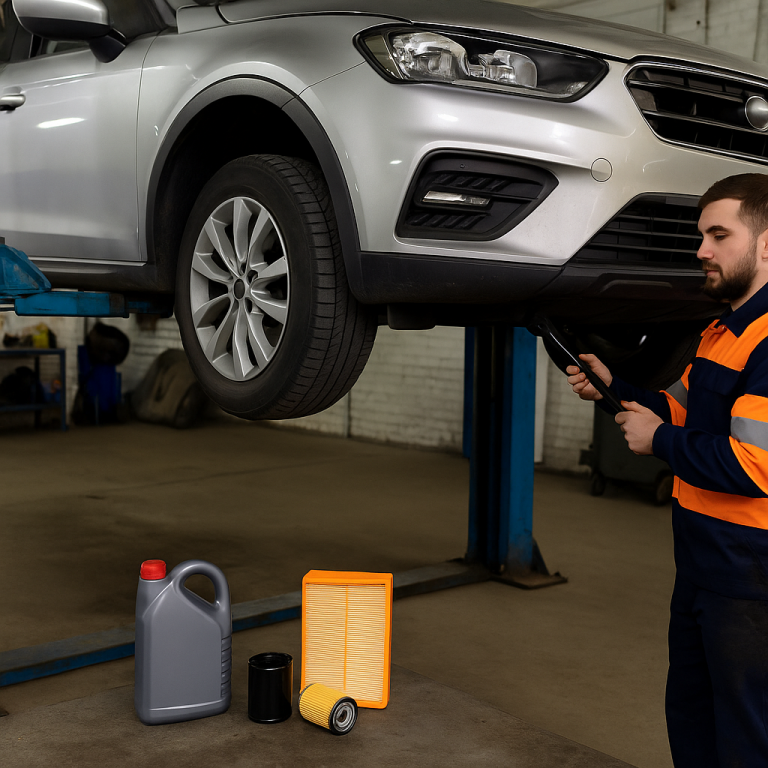
Garage, Servicing, Repair & MOT

Find servicing, repairs and MOT testing.

Explore

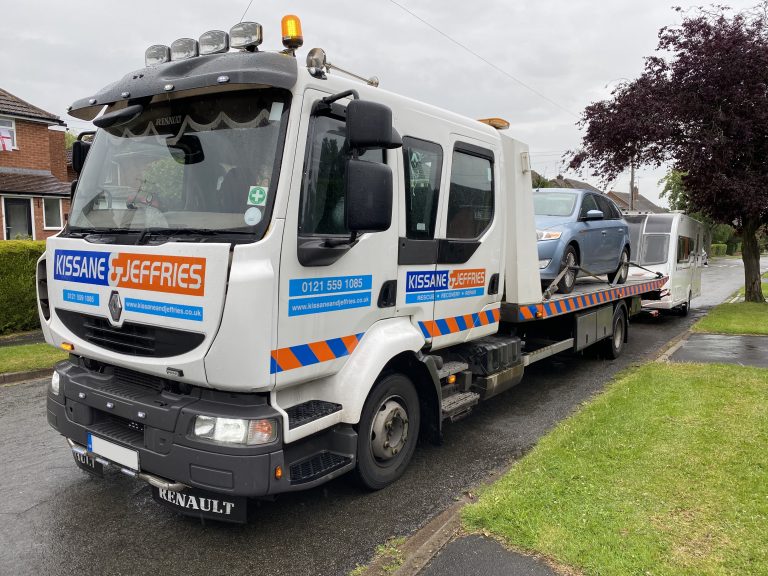
Breakdown & Recovery

Find help when you need it.

Explore

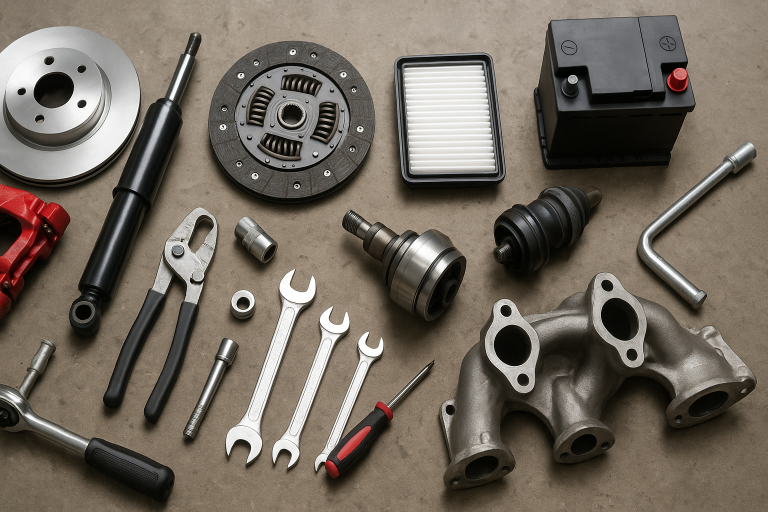
Parts & Tools

Find vehicle parts and workshop tools.

Explore

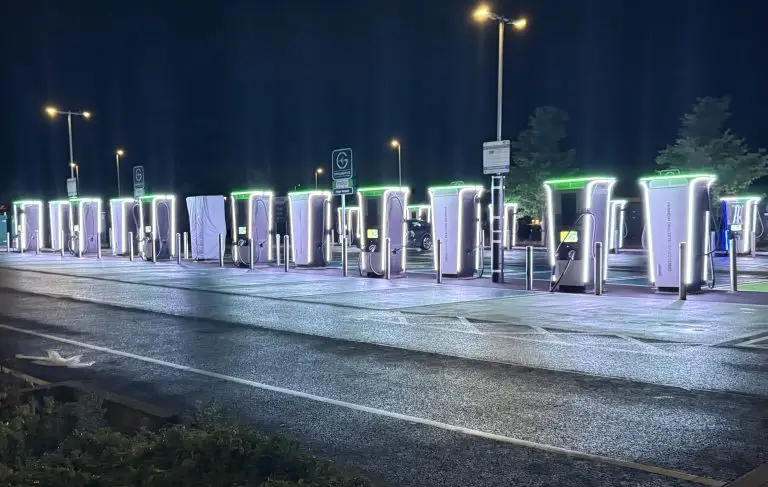
EV Charging

Find charging services for electric vehicles.

Explore

Renting A Vehicle

Flexible rental options for every journey.

Explore

Vehicle Valuations

Discover what your vehicle could be worth.

Explore

Learning To Drive

Find resources and driving instructors.

Explore

Vehicle Warranties

Explore vehicle warranty providers.

Explore

Parking

Discover parking solutions for your journey.

Explore

Fleet Services

Solutions for businesses and fleets.

Explore

Buying A Vehicle

Find, compare and buy with confidence.

Explore

Tyres & Wheels

Find tyres, wheels and fitting services.

Explore

Insurance

Explore cover for your motoring needs.

Explore

Selling A Vehicle

Explore your options for selling your vehicle.

Explore

Valet’s & Detailing

Explore vehicle valeting and detailing.

Explore

Accident Management

Find help following a vehicle collision.

Explore

Keys & Locksmiths

Find vehicle keys and locksmith services.

Explore

Tuning & Modifications

Explore tuning and vehicle modifications.

Explore

Styling & Accessories

Discover upgrades and vehicle accessories.

Explore

Resting Places & Hotels

Find rest stops and accommodation.

Explore

Security & Tracking

Explore vehicle security and tracking.

Explore

Vehicle History Checks

Check a vehicle’s history before you buy.

Explore

Personalised Registrations

Find personalised number plate options.

Explore

Road Navigation

Explore mapping and navigation options.

Explore

Fuel

Find fuel services and compare your options.

Explore

Financing A Vehicle

Explore finance options for vehicles.

Explore

Storage

Explore secure vehicle storage solutions.

Explore

Leasing A Vehicle

Explore personal and business leasing.

Explore

Automotive Glass

Find vehicle glass repairs and replacement.

Explore