
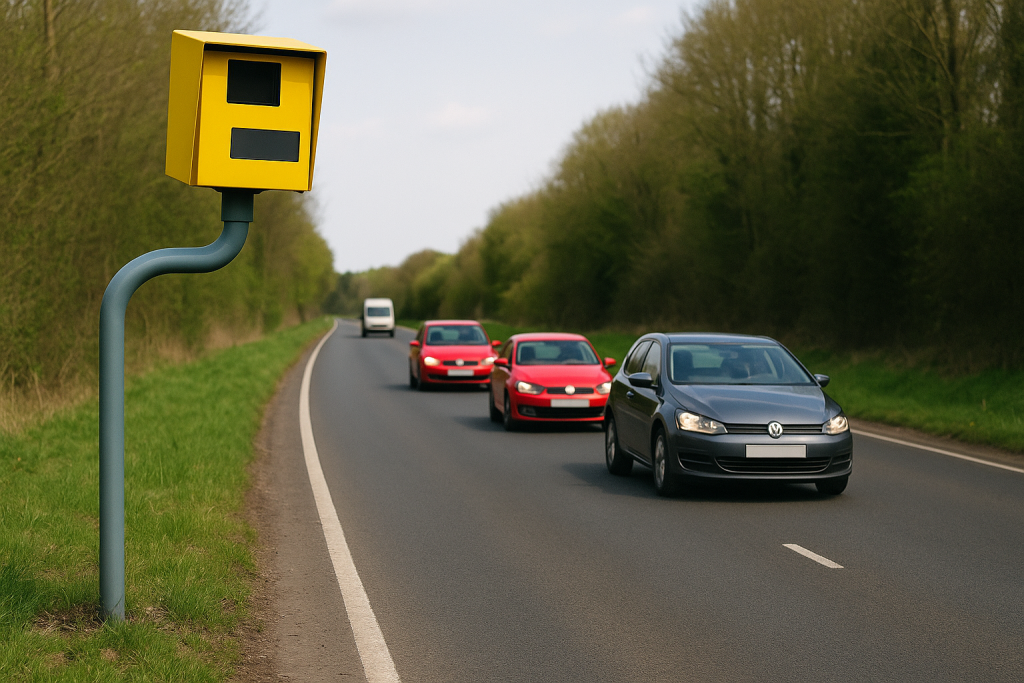
UK Traffic Cameras Explained: The 2025 Driver’s Guide to ANPR, Speed, Red-Light & Smart Motorway Systems
UK traffic cameras play a crucial role in road safety, congestion management and the enforcement of driving laws. Yet despite being a part of almost every journey, most motorists only understand a fraction of how these systems work. With new smart technology, digital enforcement, live traffic monitoring and automated penalties becoming more common, UK traffic cameras in 2025 are more advanced — and more important — than ever.
This updated Motor Bridge UK guide breaks down every major type of UK traffic camera, what each one monitors, how they collect data, the penalties they can trigger and the common misconceptions behind them. Whether you’re a new driver, an experienced commuter or someone preparing for long-distance travel across the motorway network, this is your essential, fully compliant overview for driving confidently in 2025.
What UK Traffic Cameras Are Used For in 2025
The widespread use of UK traffic cameras has one clear aim: to improve road safety and keep traffic flowing. Today’s cameras provide real-time information to National Highways, police, local councils and traffic management centres across the country.
UK traffic cameras are used for:
Speed enforcement
Red-light enforcement
Lane closure enforcement
Congestion monitoring
Detecting vehicle offences (tax, insurance, MOT)
Monitoring traffic flow and delays
Improving incident response times
Supporting Clean Air Zones, LEZ and ULEZ charging
Crime detection and prevention
Recording evidence for serious incidents
These systems are not all tied to fines — many are for monitoring only. Understanding the difference is key.
1. ANPR Cameras (Automatic Number Plate Recognition)
ANPR is one of the most common types of UK traffic cameras and is used widely for law enforcement and road management.
What ANPR Cameras Do
ANPR reads number plates automatically and compares them against databases. It can check:
Insurance status
MOT status
Vehicle tax
Stolen vehicle registers
Police watchlists
Clean Air Zone compliance
Congestion charging
Where You’ll See Them
Motorway gantries
City centres
Car parks
Clean Air Zone boundaries
ULEZ and LEZ zones
Major A-roads
Do ANPR cameras issue speeding fines?
No. ANPR alone does not issue speeding tickets. It simply logs vehicle movements and checks status.
2. Speed Cameras: Fixed, Average and Mobile Units
Speed enforcement is the most well-known form of UK traffic camera technology. In 2025, several systems operate nationwide.
Fixed Speed Cameras
These traditional yellow-box cameras capture a vehicle exceeding a set speed limit at a fixed point. They use radar or sensors and take still images of the vehicle rear.
Most common types:
Gatso
Truvelo
Vector SR
Average Speed Cameras
Now widely used across roadworks, motorways and major A-roads.
How they work:
Multiple cameras measure your speed between two points
They track legally blurred number plates via ANPR
Drivers must maintain a legal speed for the entire stretch
Average speed cameras are one of the most accurate enforcement tools in the UK.
Mobile Speed Cameras
Operated by police or safety camera partnerships, these can be:
Vans on bridges or lay-bys
Handheld radar devices
Temporarily deployed roadside cameras
They are unpredictable, which encourages general compliance.
Smart Motorway Speed Enforcement
Smart motorways use variable speed limits displayed on overhead gantries. Cameras activate automatically when limits change.
If a red “X” lane closure is ignored, heavy penalties apply (see below).
3. Red-Light Cameras
Red-light cameras detect when a vehicle passes through a junction after the light has turned red. They are often combined with speed enforcement.
Where They Are Commonly Found
Busy city intersections
Accident hotspots
Junctions with high pedestrian footfall
Penalties include:
3 points
£100 fixed penalty (or conditional offer)
4. Bus Lane and Bus Gate Cameras
Bus lane cameras enforce restrictions to keep public transport moving.
Triggered When:
A private vehicle drives in a bus lane during restricted hours
A car enters a bus-only street or bus gate
Penalties vary by council but typically range from £60–£160, with discounts for early payment.
These are not speeding cameras — they monitor lane misuse.
5. Clean Air Zone, LEZ and ULEZ Cameras
In 2025, more UK cities than ever are using Clean Air Zones (CAZ) to reduce emissions. These rely entirely on ANPR cameras.
Cities with CAZ, LEZ or ULEZ Zones in 2025 include:
London
Birmingham
Bristol
Bradford
Sheffield
Tyneside (Newcastle & Gateshead)
Greater Manchester (non-charging zone structure but still monitored)
Portsmouth (diesel van/car restrictions in operation)
What These Cameras Monitor
Vehicle emissions category (Euro rating)
Whether the charge has been paid
Whether a non-compliant vehicle has entered the zone
Penalties for non-payment
Typically £120–£180, depending on the city.
6. Yellow Box Junction Cameras
Certain councils enforce yellow box junction rules using fixed cameras.
Penalty Trigger
A fine is issued if a driver enters the box without ensuring the exit is clear, causing a block.
These cameras ensure traffic keeps flowing in busy urban areas.
7. Smart Motorway Cameras & Lane Closure Enforcement
Smart motorways use multiple technology layers:
Variable speed limit cameras
CCTV for monitoring traffic and incidents
Red-X lane enforcement cameras
ANPR for journey time measurement
Red-X Enforcement
Driving in a closed lane (marked with a red X overhead) is illegal.
Penalties:
£100 fine
3 points
This enforcement is strict because closed lanes usually protect roadworkers or stranded vehicles.
8. Traffic Flow Monitoring Cameras (Non-Enforcement)
Many UK traffic cameras are strictly for monitoring, not for fines.
These Cameras Are Used For:
Checking congestion
Observing accidents
Monitoring weather conditions
Assisting emergency services
Advising drivers via live updates
You’ll often see these on:
National Highways networks
Motorway bridges
Major A-roads
If a camera looks like a standard CCTV dome or pan-tilt-zoom unit, it is typically not an enforcement camera.
Common Myths About UK Traffic Cameras (2025 Update)
“All cameras can fine you.”
Incorrect. Most cameras are for monitoring only.
“Average speed cameras don’t work at night.”
Incorrect. They operate 24/7 and use infrared.
“If you brake before a speed camera, you’re safe.”
Not always — especially with average speed zones.
“Smart motorway cameras only work when limits change.”
False. Most are active at all times unless stated otherwise.
“ANPR cameras automatically issue speeding fines.”
No. They do not enforce speed by themselves.
What Penalties Can UK Traffic Cameras Issue?
Depending on the offence:
Speeding — £100 + 3 points
Red-light offence — £100 + 3 points
Bus lane violation — £60–£160 (depending on local authority)
ULEZ/CAZ non-payment — typically £120–£180
Red-X lane violation — £100 + 3 points
Box junction offence — £65–£160 (local authority dependent)
Serious offences may escalate to court.
How to Avoid Traffic Camera Penalties Legally
1. Always follow displayed speed limits
Especially in variable or average-speed zones.
2. Respect red-X lane closures
Never enter a lane marked with a red X.
3. Check restrictions before entering Clean Air Zones
Use route planners that show CAZ/ULEZ boundaries.
4. Keep your vehicle legal
Ensure MOT, tax and insurance are always valid.
5. Avoid bus lanes during restricted hours
Check signage — restrictions often change between locations.
6. Maintain safe following distances
Sudden braking into camera zones is unsafe and unnecessary.
Final Thoughts: Understanding UK Traffic Cameras in 2025
At Motor Bridge UK we believe in educating drivers and we strongly agree that UK traffic cameras are an essential part of road safety, congestion control and modern-day enforcement. With systems covering speed, red lights, lane closures, clean air zones, bus lanes and general traffic monitoring, understanding how each camera works helps drivers stay compliant and confident.
From ANPR networks to smart motorway enforcement, UK traffic cameras continue to evolve — and staying informed is the best way to avoid penalties, plan safer journeys and stay on the right side of the law. Whether you regularly drive motorways, city centres or rural routes, knowing how these systems operate in 2025 ensures a smoother, safer driving experience.
While you are here why not take a look at our UK Motoring Guide ?



One Response
Season’s Greetings.
I’d like to know what the three “black boxes” do on the pillars of the new style Average Speed Cameras?
Also, the EMF radiation status of cameras please?