Driving Home for Christmas: How to Stay Safe on UK Roads This Winter
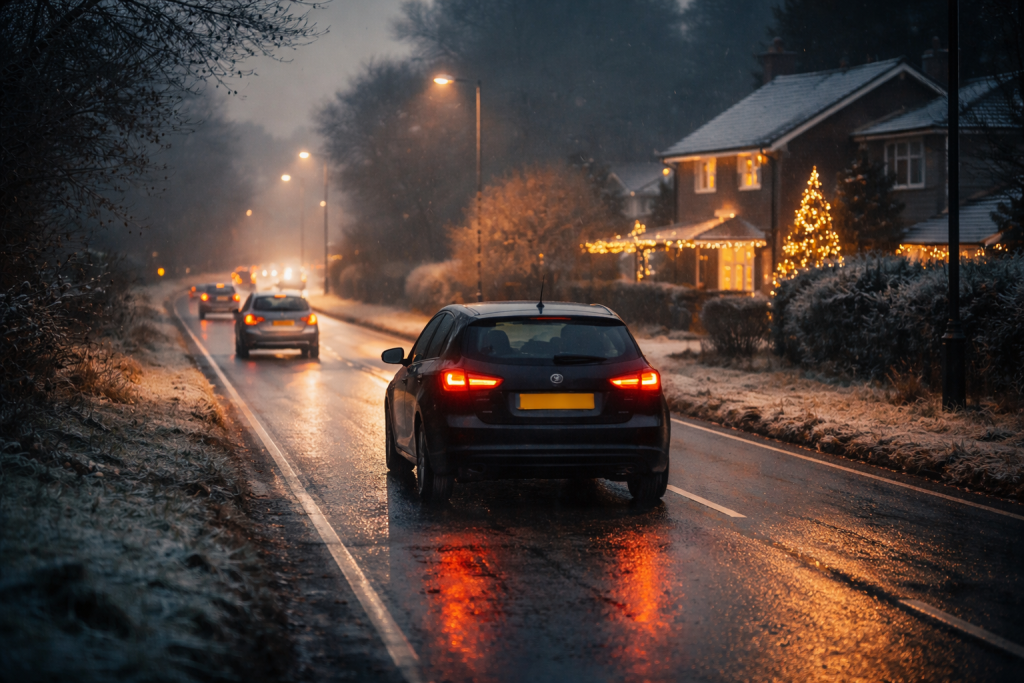
As Christmas approaches, millions of UK motorists take to the roads to visit family, attend festive events, and travel longer distances than usual. While this is one of the most enjoyable times of the year, it is also one of the most challenging for drivers while driving home for Christmas. Shorter daylight hours, unpredictable winter weather, heavier traffic, and increased driver fatigue all combine to make UK roads more hazardous during the festive period.
This Motor Bridge UK guide focuses on practical, real-world advice about driving home for Christmas to help you stay safe, reduce stress, and arrive home without incident — bridging the gaps to smarter Christmas motoring.
Why Christmas Is a Higher-Risk Time for UK Drivers
The Christmas period consistently sees a rise in road incidents across the UK. Several seasonal factors contribute to this:
-
Increased traffic on motorways and major A-roads
-
Winter weather such as ice, fog, snow, and heavy rain
-
More driving in darkness due to reduced daylight hours
-
Fatigue from long journeys and busy schedules
-
Higher stress levels as drivers rush to arrive on time
Recognising these risks allows drivers to take a more cautious and informed approach.
Plan Your Journey Before You Set Off
Good preparation can significantly reduce the risks you face while driving home for Christmas.
Check Traffic and Weather Conditions
-
Review traffic updates before departure
-
Be aware of roadworks and lane restrictions
-
Check weather forecasts for your entire route
Allow Extra Time
Festive traffic delays are common. Leaving earlier and building in contingency time helps reduce pressure and prevents rushed decision-making.
Prepare Your Car for Winter Christmas Travel
Ensuring your vehicle is in good condition is essential for winter journeys.
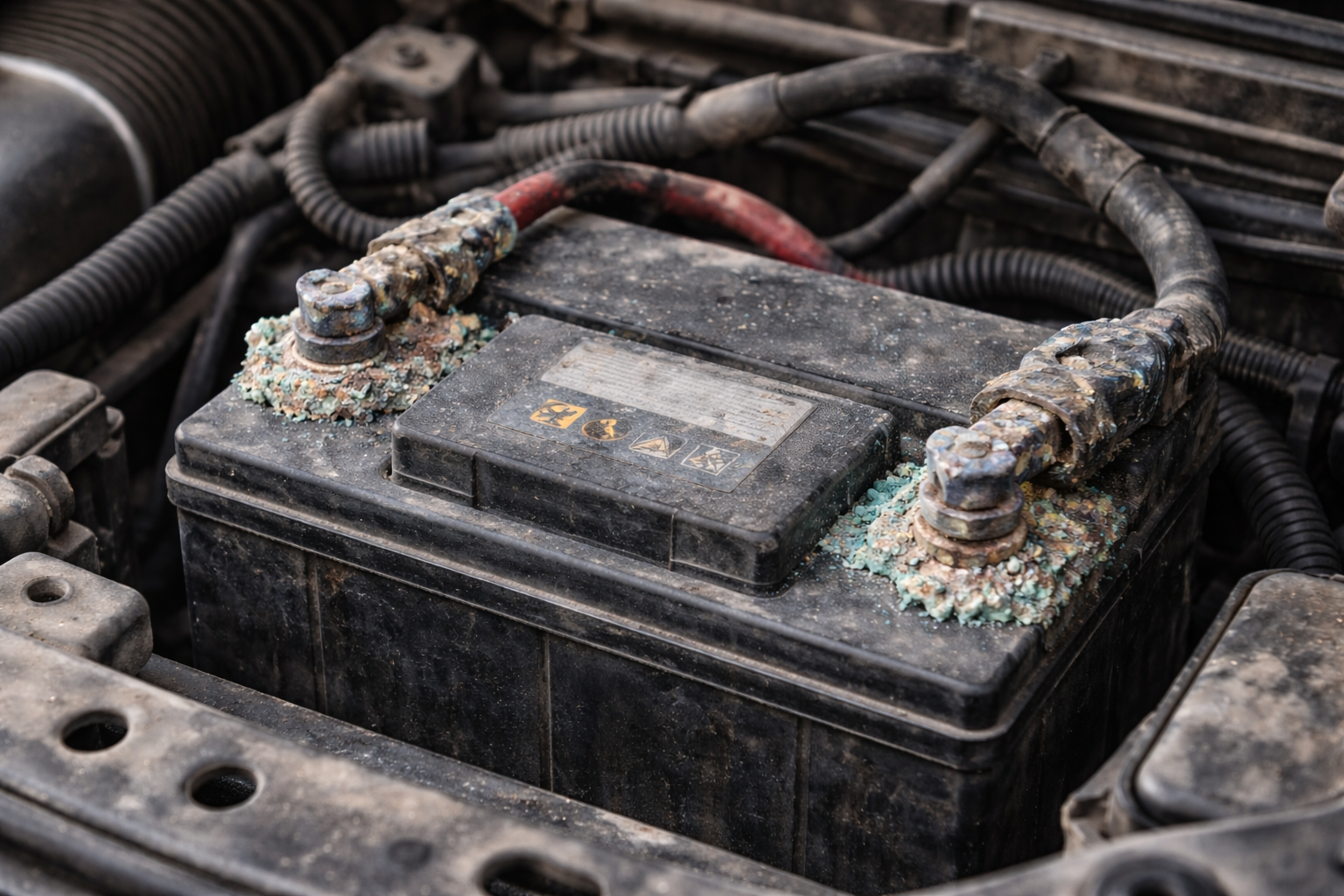
Battery Health
Cold temperatures put extra strain on car batteries.
-
Slow engine cranking can indicate weakness
-
Older batteries are more likely to fail in winter
-
Consider a professional battery check before long trips
Tyres and Road Grip
-
Ensure tyres have sufficient tread depth
-
Check tyre pressures when tyres are cold
-
Replace damaged or worn tyres before winter travel
Lights and Visibility
-
Check all lights are working correctly
-
Clean headlights, brake lights, and indicators
-
Keep mirrors and number plates clean
Stay Visible in Poor Winter Conditions
Reduced visibility is one of the biggest hazards faced while driving home for Christmas.
Windscreen Care
-
Replace worn wiper blades
-
Use winter-strength screenwash
-
Fully clear ice and condensation before driving
Driving in Fog or Heavy Rain
-
Use headlights correctly — avoid full beam in fog
-
Increase following distance
-
Reduce speed and avoid sudden manoeuvres
Manage Driver Fatigue on Long Christmas Journeys
Tiredness significantly increases accident risk, particularly during festive travel.
Take Regular Breaks
-
Stop at least every two hours
-
Stretch, hydrate, and rest your eyes
-
Share driving duties where possible
Avoid Late-Night Driving When Tired
Driving while fatigued can be as dangerous as driving under the influence. If you feel tired, stop and rest.
Smart Motorways and Festive Traffic Awareness
Smart motorways are common on major UK routes and can be confusing, especially in busy periods.
Key Rules to Remember
-
Never use a lane marked with a red X
-
Obey variable speed limits at all times
-
Use emergency refuge areas only in emergencies
Understanding these rules helps reduce stress and avoids fines or penalties.
Carry a Winter Emergency Kit
Unexpected delays or breakdowns are more likely in winter.
Useful Items to Carry
-
Warm clothing or blankets
-
Torch and spare batteries
-
Phone charger or power bank
-
Ice scraper and de-icer
-
Drinking water and snacks
Being prepared helps keep you safe if you become stranded.
Drive Smoothly and Defensively
Winter roads demand a calmer and more controlled driving style.
Adjust Your Driving Technique
-
Accelerate gently to maintain traction
-
Brake earlier and more smoothly
-
Increase following distance
-
Be especially cautious on untreated rural roads
Even short journeys can become dangerous if conditions change suddenly.
Dash Cams and Winter Driving Protection
Dash cams are increasingly popular with UK drivers, particularly during busy periods.
Benefits of Using a Dash Cam
-
Provides evidence in the event of an incident
-
Helps resolve insurance disputes
-
Encourages safer driving behaviour
With heavier traffic at Christmas, dash cams can offer added reassurance.
Check Insurance and Breakdown Cover Before You Travel
Before setting off, ensure your cover is suitable for winter journeys.
Simple Checks
-
Confirm breakdown cover is active
-
Check recovery limits and call-out policies
-
Ensure insurance details are current
Many issues only become apparent when help is needed most.
Stay Calm and Reduce Stress Behind the Wheel
A calm driver is a safer driver.
Tips for Driving Home for Christmas
-
Accept delays as part of festive travel
-
Avoid engaging with aggressive drivers
-
Keep music volume moderate and calming
Patience and composure help improve reaction times and decision-making.
Final Thoughts: Safer Christmas Driving Starts With Preparation
Driving home for Christmas should be something to look forward to, not a source of anxiety. With careful planning, proper vehicle preparation, and a sensible driving approach, you can significantly reduce risk during winter travel.
Motor Bridge UK is committed to promoting safer, smarter motoring all year round. By staying informed and prepared, UK drivers can enjoy smoother journeys and arrive safely to enjoy the festive season.
Motor Bridge UK — bridging the gaps to smarter Christmas motoring.
While you are here why not take a look at Garage-Servicing-Repair-MOT