The Rising Cost of Car Insurance 2025: Why Prices Are Up & How to Save
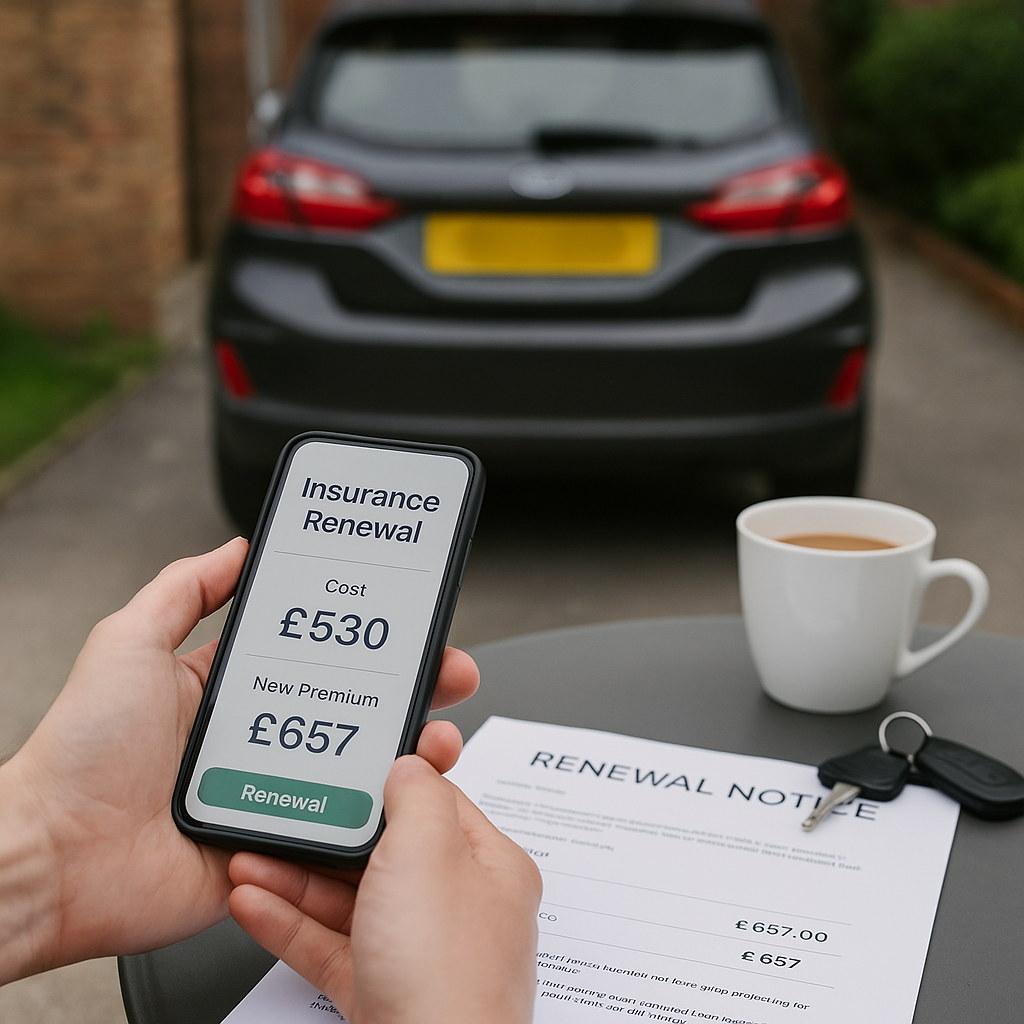
Car insurance costs UK motorists more in 2025 than at any point in the last decade. For millions of drivers, renewal quotes have arrived with eye-watering increases — sometimes hundreds of pounds higher than the previous year. Whether you’re a young driver, a family car owner, or someone running an older vehicle, rising premiums are affecting everyone.
In this full Motor Bridge UK guide, we break down exactly why car insurance costs UK drivers significantly more in 2025, the industry factors behind the price jumps, and — most importantly — the practical steps you can take to keep premiums down without compromising on safety or legality. Clear, compliant and UK-specific, this is your essential deep-dive into the 2025 insurance landscape.
Why Car Insurance Costs UK Drivers Have Increased in 2025
Car insurance costs UK motorists continue to climb due to a combination of economic pressures, industry-wide changes, and shifting driver behaviour. While many drivers assume insurers are simply increasing prices to boost profits, the truth is far more complex. Multiple financial and regulatory factors are behind the steep rises seen throughout 2024 and into 2025.
1. Higher Repair Costs Are Driving Premiums Up
Vehicle repairs are substantially more expensive today. Modern cars are filled with advanced driver-assistance systems such as radar sensors, cameras, ultrasonic detectors, lane-keeping modules and complex bumpers housing electronic components. When these parts are damaged — even in low-speed collisions — repair times and costs skyrocket.
Sensors and ADAS modules can cost hundreds to replace
Recalibration after repair is now mandatory for many vehicles
Labour times have increased due to more complex construction
Insurers have no choice but to increase premiums to reflect these higher claim costs.
2. UK Parts Shortages and Inflation Continue to Have an Impact
Although parts availability has improved since the pandemic, shortages remain in specific sectors — especially bodywork, electronics, and EV components. Combined with general inflation and rising shipping costs, insurers face higher payouts for almost every claim.
Car insurance costs UK drivers more this year because repair networks themselves are paying more for parts, materials and energy. These increases feed directly into premiums.
3. The Rising Value of Used Cars Increases Claim Payouts
The UK used-car market reached record high values over the past few years. Even as prices steady in 2025, they remain high historically.
This means:
Total-loss payouts are higher
Courtesy car costs are up
Longer repair times mean more days of hire costs
All of these increase the average claim value — and therefore increase the cost of insurance.
4. More Claims Being Made Post-Pandemic
Traffic volume has climbed back above pre-pandemic levels. With more drivers on the road comes a predictable rise in collisions and insurance claims. Insurers must adjust prices to manage the higher risk.
Additionally, severe weather events — particularly storms and floods — are responsible for thousands of insurance claims each year, and 2023–2024 saw particularly costly weather damage across the UK.
5. Fraud and “Crash for Cash” Cases Are Still a Major Issue
Insurance fraud remains a significant and costly problem. Criminal groups stage collisions or exaggerate injury claims, costing insurers hundreds of millions every year.
Although technology like dash cams and telematics is helping insurers combat fraud, the problem continues to influence premiums. The more fraudulent claims made, the more car insurance costs UK motorists in general.
6. Increased Legal and Medical Costs
Personal injury claims are one of the biggest expenses for insurers. Despite reforms designed to reduce these payouts, legal representation and medical treatment costs are rising.
Higher compensation costs = higher premiums for everyone.
Who Has Been Hit Hardest by Rising Car Insurance Costs UK Wide?
While almost all motorists are seeing bigger insurance bills, some groups have been hit particularly hard.
Young Drivers (17–25)
Statistically more likely to have accidents, young drivers often rely on telematics or named drivers to keep prices down. But with overall premiums rising, even telematics policies are becoming more expensive.
Drivers of Older Vehicles
Older cars may be cheaper to buy, but they’re often more expensive to insure in 2025 due to:
Higher theft rates
Difficulty sourcing parts
Greater likelihood of total loss after minor impact
Urban Drivers
City drivers are at higher risk of accidents, theft, vandalism and claims inflation. Areas like London, Birmingham and Manchester consistently show the highest premiums.
Electric Vehicle Owners
EV insurance costs have begun to stabilise in 2025, but many policies remain more expensive due to:
High battery replacement costs
Specialist repair networks
Longer repair times
How Car Insurance Works in 2025 — and Why Premiums Are Calculated the Way They Are
Car insurance costs UK drivers more when insurers believe they are at higher risk. Premiums are calculated using multiple factors, including:
Age and driving experience
Location
Mileage
Vehicle make, model and value
Claims history
Occupation
Credit status (important in monthly instalments)
Telematics data (if used)
Advanced machine-learning models now assess your likelihood of making a claim more precisely than ever. This can work for or against you depending on the policy type and your driving behaviour.
How to Reduce Car Insurance Costs UK Wide in 2025
Despite rising premiums, there are many legitimate, compliant ways to keep your insurance as affordable as possible.
1. Shop Around Well Before Your Renewal Date
Most insurers offer the best prices 23–30 days before your renewal date. Leaving it too late often means higher prices. Comparing quotes across multiple providers is one of the most effective ways to reduce costs.
2. Increase Your Voluntary Excess (Within Reason)
Choosing a higher voluntary excess can reduce monthly or annual premiums. Just ensure the total excess remains affordable if you need to make a claim.
3. Consider a Telematics (Black Box) Policy
Telematics policies reward responsible driving with lower premiums. They can be beneficial for:
Young drivers
Low-mileage drivers
Those wanting to prove safe driving habits
4. Reduce Annual Mileage if You Can
If you overestimate your mileage, insurers may classify you as higher risk. Providing an accurate and realistic figure helps prevent unnecessary premium increases.
5. Park Safely Overnight
Parking on a driveway or in a locked garage can lower your risk category compared to street parking.
6. Avoid Unnecessary Modifications
Non-standard modifications can:
Increase theft risk
Increase repair costs
Push your car into a higher risk bracket
Staying close to factory specification generally keeps premiums down.
7. Explore Multi-Car or Multi-Policy Discounts
Some insurers offer lower premiums when you insure more than one car or combine home and car insurance policies.
8. Keep Your No-Claims Bonus Protected
A strong no-claims history is one of the biggest factors in reducing insurance costs. Protecting it can prevent future price hikes after a single accident.
Is Car Insurance Likely to Get Cheaper in 2025?
Most industry forecasts predict that car insurance costs UK motorists will remain high throughout 2025, though they may begin to stabilise later in the year as repair networks improve, vehicle supply chains normalise and claim rates plateau.
However, premiums are unlikely to return to pre-2020 levels any time soon.
Final Thoughts: Navigating Rising Car Insurance Costs in the UK
Car insurance costs UK drivers more in 2025 for many legitimate reasons — from higher repair prices and inflation to increased claims and complex in-car technology. While the rise is challenging for motorists, there are many practical strategies to reduce premiums through careful policy selection, safer driving habits and smart comparison techniques.
At Motor Bridge UK we strongly believe that understanding how insurance pricing works and what affects your premium, you can make well-informed decisions, avoid unnecessary fees and keep your vehicle protected without paying more than necessary. Whether you’re insuring a daily commuter, a family SUV or an electric vehicle, taking proactive steps can help you stay ahead of the market and save in the long term.
While you are here why not take a look at our Insurance solutions page?