
UK Motoring Guide • Driver safety
Important Motoring Emergency Contacts
Know who to call when you need help on the road.
Keep essential contact details close to hand for a breakdown, collision or roadside emergency. This guide explains which numbers to use, when to call them and how to stay safer while seeking assistance across the UK.
← Back to UK Motoring Guide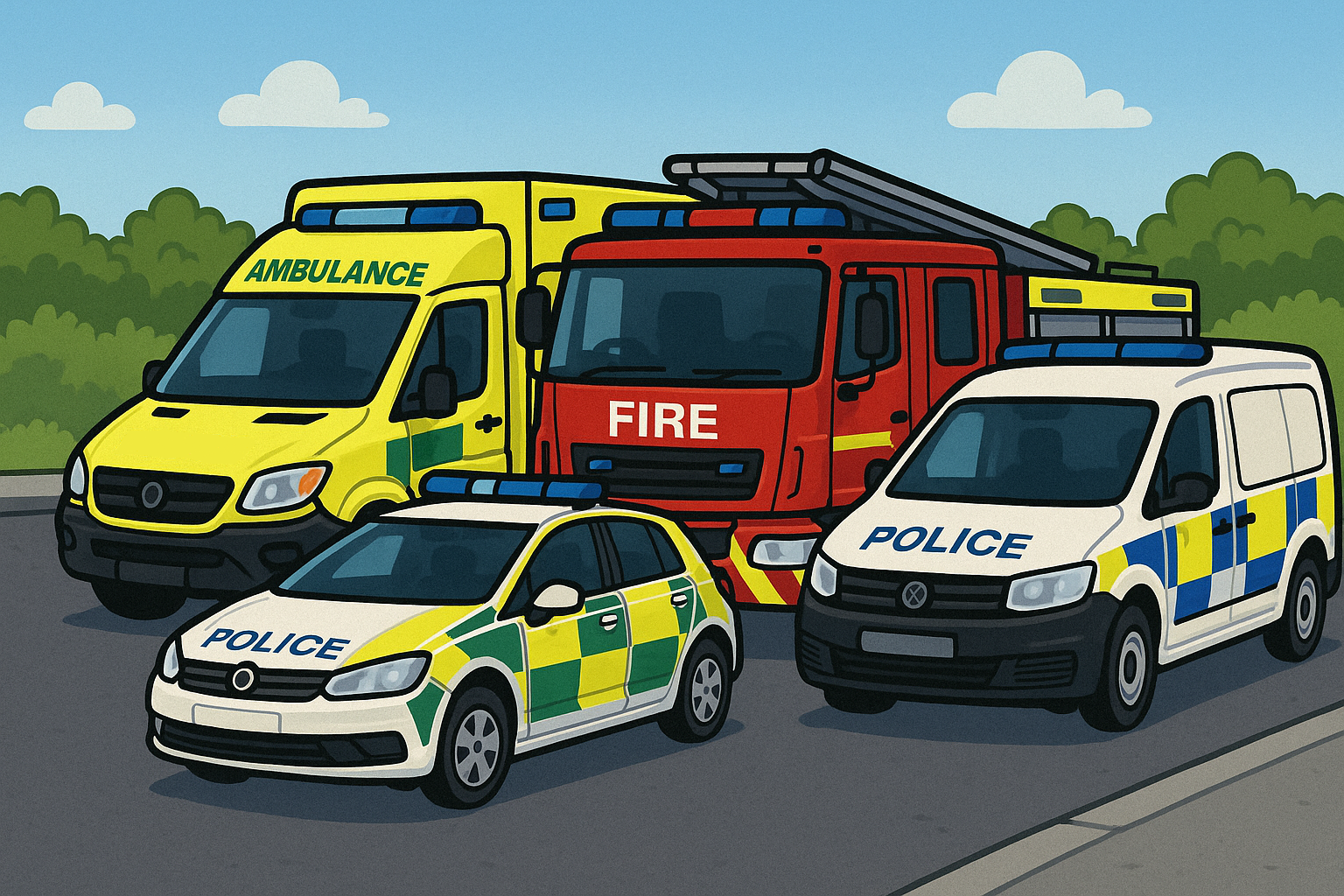
Essential numbers: who to contact
Emergency services
Call when life is at risk, someone is seriously injured, or there is immediate danger. Ask for police, fire or ambulance as appropriate. 112 is also an emergency number.
Police – non-emergency
Use for matters needing police attention but not an immediate emergency. Some road incidents can also be reported through your local police force's online service.
National Highways – England
24-hour customer contact centre for England's motorways and major A roads managed by National Highways. In immediate danger, use 999 first.
Breakdown assistance
Your own provider
Call the number printed on your breakdown policy, membership card or provider app. Provider contact details and procedures may change; check your cover before a journey.
Road information and incident contacts across the UK
Choose your nation for the correct live-road-information service. These services are for travel updates and reporting road problems—not replacements for emergency services. For immediate danger or serious injury, call 999.
England
National Highways: motorways and major A roads it manages.
Check incidents, closures and roadworks before setting off. Report obstructions on National Highways-managed roads by phone.
Check England traffic →Scotland
Traffic Scotland: motorway and trunk road updates, weather, closures and cameras.
0800 028 1414 (24/7 customer care)
Use its live map for current incidents and call the customer care line for travel information or road concerns.
Check Scotland traffic →Wales
Traffic Wales: strategic road network alerts, planned works and cameras.
0300 123 1213 (24/7)
Call to report urgent road incidents or hazards on roads it manages; call 999 for an emergency.
Check Wales traffic →Northern Ireland
TrafficWatchNI: current traffic news, incidents and roadworks.
Traffic Information & Control Centre: 0300 200 7893 for traffic-information enquiries.
DfI Roads: 0300 200 7899 for serious road-safety hazards out of hours; not a general traffic-update line.
Check NI traffic →What help do you need right now?
Choose a situation to reveal the most appropriate next step. These are quick-reference reminders, not emergency triage.
Someone is injured, in danger or stranded in a live motorway lane
Call 999 immediately and ask for the appropriate emergency service. Give the road, direction, nearest junction and location markers if known. Do not put yourself in danger to make the call.
My vehicle has broken down, but everyone is safely away from traffic
Contact your breakdown provider. On a National Highways-managed motorway in England, you can also use an emergency roadside telephone or call 0300 123 5000 for help and advice. Keep following any on-road instructions.
I'm checking traffic, closures or roadworks before a journey
Use the official live traffic service for England, Scotland, Wales or Northern Ireland. Information can change at short notice.
I've spotted debris, a damaged sign or a pothole
Do not stop in an unsafe place to investigate. Report non-emergency defects to the authority managing the road. For urgent hazards, use the relevant major-road contact above; if there is immediate danger to life, call 999.
I've been involved in a minor collision
Stop safely, check for injuries and exchange details where required. Police reporting obligations depend on the circumstances; see official collision reporting guidance. If anyone is in immediate danger, call 999.
If you break down on a motorway
Follow the Highway Code: get left, get safe and get help when it is possible to do so. Aim for a service area or motorway exit first. If that is not possible, use an emergency area or hard shoulder if available.
- Switch on hazard warning lights; use sidelights in darkness or poor visibility.
- If safe, exit on the side away from traffic and move behind a safety barrier where possible.
- Use an emergency roadside telephone or call for assistance once in a safer position.
- Never place a warning triangle on a motorway.
- If you cannot leave the vehicle safely, keep your seat belt on, switch on hazard lights and call 999 for police assistance.
What about a road collision?
Call 999 where anyone is in danger, there is serious injury or the road is dangerously obstructed. For less urgent incidents, the reporting rules depend on injuries, whether details were exchanged and the circumstances. Do not assume every minor collision requires a call to 101.
Be prepared before you travel
Save key details
Store your breakdown provider, insurer and an emergency contact in your phone. Keep a printed backup somewhere accessible.
Keep your phone ready
Charge your phone before leaving and carry an in-car charging cable. Mobile emergency calls may connect through another available network, but connection is not guaranteed everywhere.
Carry useful equipment
A torch and high-visibility clothing can help in some roadside situations. Warning triangles may be useful on some roads, but must never be placed on a motorway.
Know your location
Note the road number, direction, nearest junction, marker posts or visible landmarks so assistance can find you.
Common questions
Can I call 999 without mobile signal?
Your phone may use another available network for an emergency call, but this does not guarantee coverage in every location. Use a roadside emergency telephone when it is safe and available.
Should I call National Highways instead of 999?
No. Call 999 when there is immediate danger. National Highways can help with traffic and road-related matters on its managed network in England.
Can I put a warning triangle behind my car on a motorway?
No. The Highway Code says never to place a warning triangle on a motorway.
Do I have to report every small collision to the police?
Not necessarily. Reporting requirements depend on injuries, exchanged details and other circumstances. Follow police guidance and legal requirements.
Who should I call if my car breaks down on a normal road?
Move to a safe place if possible and call your breakdown provider. Dial 999 if anyone is in immediate danger or the obstruction creates a serious hazard.
Where to go next on Motor Bridge UK
Motor Bridge UK may feature providers or commercial links on related solutions pages; check disclosures on those pages.
Important information
This guide provides general UK motoring information, not emergency response or individual legal advice. In urgent danger, contact 999. Numbers, service coverage and rules can change; check official sources and your own service provider. Always prioritise your safety and the instructions of emergency responders.
Sources: Highway Code · National Highways · Traffic Scotland · Traffic Wales · TrafficWatchNI · Police.uk