
Basic Vehicle Care Tips
What basic care does your vehicle need? Looking after your vehicle does not need to be complicated. Regular checks of tyres, oil, coolant, lights, washers and brakes can help you spot problems early and reduce the risk of breakdowns.
This practical guide explains checks most car drivers can make, warning signs to take seriously and when to seek professional help.
← Back to UK Motoring Guide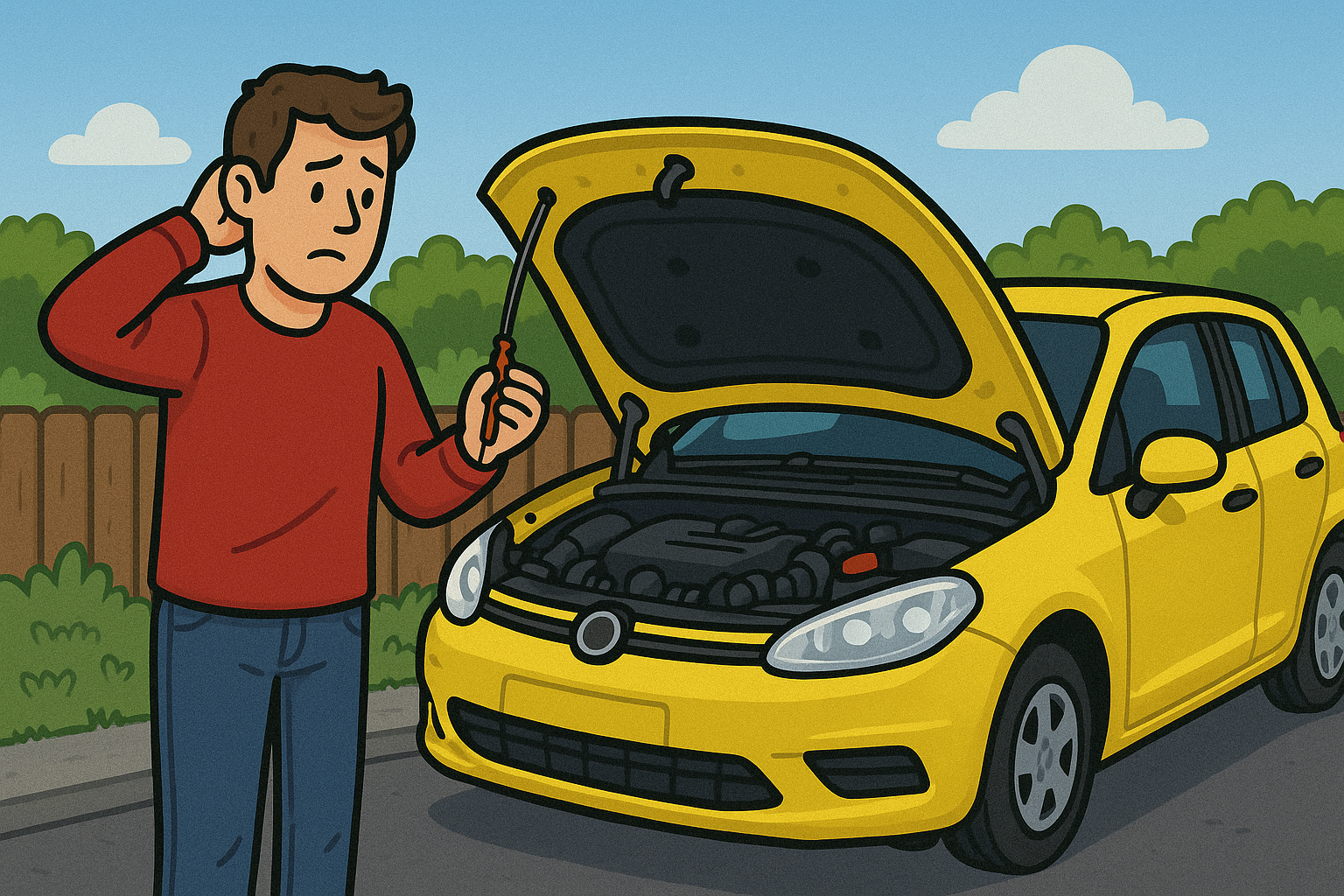
Start with these everyday safety checks
Before you drive, check that windows and mirrors are clear, lights work and the brakes operate properly. Follow your vehicle handbook for regular fluid, tyre and servicing checks. A valid MOT does not guarantee that a vehicle is roadworthy between tests.
Remember: If you suspect a safety-critical fault, do not continue driving until it has been assessed and the vehicle is safe.
Step by step: essential vehicle checks
Choose a check to see what to look for. These are general pointers for conventional cars; electric, hybrid and other vehicle types may have different procedures.
Engine oil
Follow the handbook: on vehicles with a dipstick, park level, allow the engine to settle as instructed and check between the marks. Use only the specified oil; never overfill. Some vehicles display oil level electronically.
Tyres and pressures
Check tyres when cold using the vehicle manufacturer's pressures for the load. Look for cuts, bulges and uneven wear. For car tyres, the minimum tread is 1.6 mm across the central three-quarters and around the circumference. Use a tread-depth gauge for an accurate measurement.
Washer fluid and wipers
Keep screenwash topped up with a suitable product, especially in freezing weather. Check the wipers clear the glass without smearing, and replace worn blades. Check visibility before setting off.
Coolant
Only check the coolant reservoir when the engine is cold and follow the handbook's level markings and fluid specification. Never open a hot pressurised cooling system. Repeated coolant loss needs investigation.
Lights and indicators
Check headlights, brake lights, tail lights and indicators. Clean lenses and arrange repair of faulty lamps. Some modern lighting assemblies require specialist replacement.
Brakes
Watch for grinding, pulling, vibration, unusual pedal feel or increased stopping distance. If braking performance seems impaired, stop safely and arrange professional assistance rather than continuing.
Keep it clean
Remove dirt and road salt, especially around vulnerable areas, and keep number plates, windows, lights and mirrors clear. Cleanliness also makes damage and leaks easier to notice.
Dashboard warnings
Learn what each symbol means for your vehicle. A red warning may require you to stop as soon as it is safe; amber warnings also need attention. The correct action depends on the particular alert—check the handbook and do not ignore it.
Did you know? Tyre age matters too
Tyres can deteriorate through time and exposure, even when tread looks adequate. Check condition and manufacturing date, and ask a tyre professional about concerns. Specific 10-year tyre age restrictions apply to certain heavier goods and passenger vehicles, not every private car.
Read the Highway Code vehicle maintenance annex →Build an easy care routine
Before every drive
Make sure your view is clear, lights and brakes work, and there is no obvious damage or unsafe condition.
Regularly
Check tyre pressures and condition, fluid levels and wipers as advised by the Highway Code and your handbook. Check tyres more often before longer trips.
At service intervals
Follow the manufacturer’s servicing schedule and keep records of work done. An MOT is not a replacement for a service.
When something changes
Have new warning lights, leaks, unusual noises or changes in steering or braking assessed promptly.
Basic vehicle care FAQs
How often should I check my tyres?
The Highway Code advises checking tyre pressures weekly, when tyres are cold. Check tread and general condition regularly and before longer journeys.
Can I drive with a warning light on?
It depends on the warning. Some require you to stop as soon as safely possible; others call for prompt inspection. Follow the handbook and avoid driving if safety may be affected.
Is a valid MOT enough to know my car is safe?
No. An MOT is a check at a particular point in time. You remain responsible for keeping your vehicle roadworthy whenever you drive.
Should I top up every fluid myself?
Not necessarily. Some systems are sealed, electrically powered or require specialised procedures. Use the correct manufacturer-approved fluid and seek professional help if unsure.
What should I do if my brakes feel different?
If braking is reduced, the pedal behaves abnormally or there are serious warning signs, stop safely and arrange an inspection or recovery. Do not continue driving an unsafe vehicle.
Do electric vehicles need routine checks?
Yes. EVs still need tyre, brake, lighting, wiper and other safety checks. Maintenance and fluid procedures can differ, so use the EV manufacturer’s instructions and avoid high-voltage components.
Where to go next on Motor Bridge UK
For the next practical step, these relevant sections explain maintenance options and link to independent services where available.
Some destination pages include clearly labelled advertising or affiliate links. Motor Bridge UK provides information and referrals; it does not carry out vehicle servicing or repairs.
Official guidance and important information
For the latest requirements, use GOV.UK: Check your vehicle is safe to drive and The Highway Code: vehicle maintenance, safety and security.
This guide is general information for UK motorists, primarily car drivers. Procedures and legal requirements differ by vehicle category and specification. Always follow your manufacturer’s handbook and seek a competent professional for uncertain or safety-critical work. Do not attempt checks in unsafe conditions. Information is not a substitute for an inspection, diagnosis or legal advice.