Virtual Garage

MOTOR BRIDGE UK / MOTORING SOLUTIONS

Electric Vehicle Solutions – Smarter Charging, Easier Motoring

Whether you're already driving electric or considering making the switch, Motor Bridge helps you explore electric vehicle solutions with confidence. Discover EV charging options, compare services and find useful information to make electric motoring simpler, more convenient and cost-effective.

ev charging

Explore Electric Vehicle Charging & Service Providers

ClickMechanic

Make charging your electric vehicle at home easier with ClickMechanic. Explore home EV chargers, compare installation prices and book a qualified installer online, subject to property suitability and availability.

Explore ClickMechanic

Ad · We may earn a commission.

EV King

EV Cable Shop

Explore electric vehicle charging cables and accessories from EV Cable Shop. Find charging products for a range of electric vehicles, with options to suit different charging needs and vehicle compatibility.

View provider

Ad · We may earn a commission.

Electric Motoring Made Simple

Your interactive guide to smarter EV ownership

Charging speeds, connectors, running costs and battery care can seem confusing. Explore the sections below to discover useful information about owning and charging an electric vehicle.

⚡ Understanding EV Charging Speeds

Electric vehicle chargers are measured in kilowatts (kW). Generally, higher charging power allows faster charging, provided your vehicle can accept it.

3.6–7.4kW – Common Home Charging

Typically suitable for charging overnight. The charging time depends on your battery capacity, vehicle and electrical supply.

11–22kW – Higher-Power AC Charging

Often found at public destinations and workplaces. Your vehicle's onboard AC charging limit determines how much of this power it can use.

50kW and Above – Rapid DC Charging

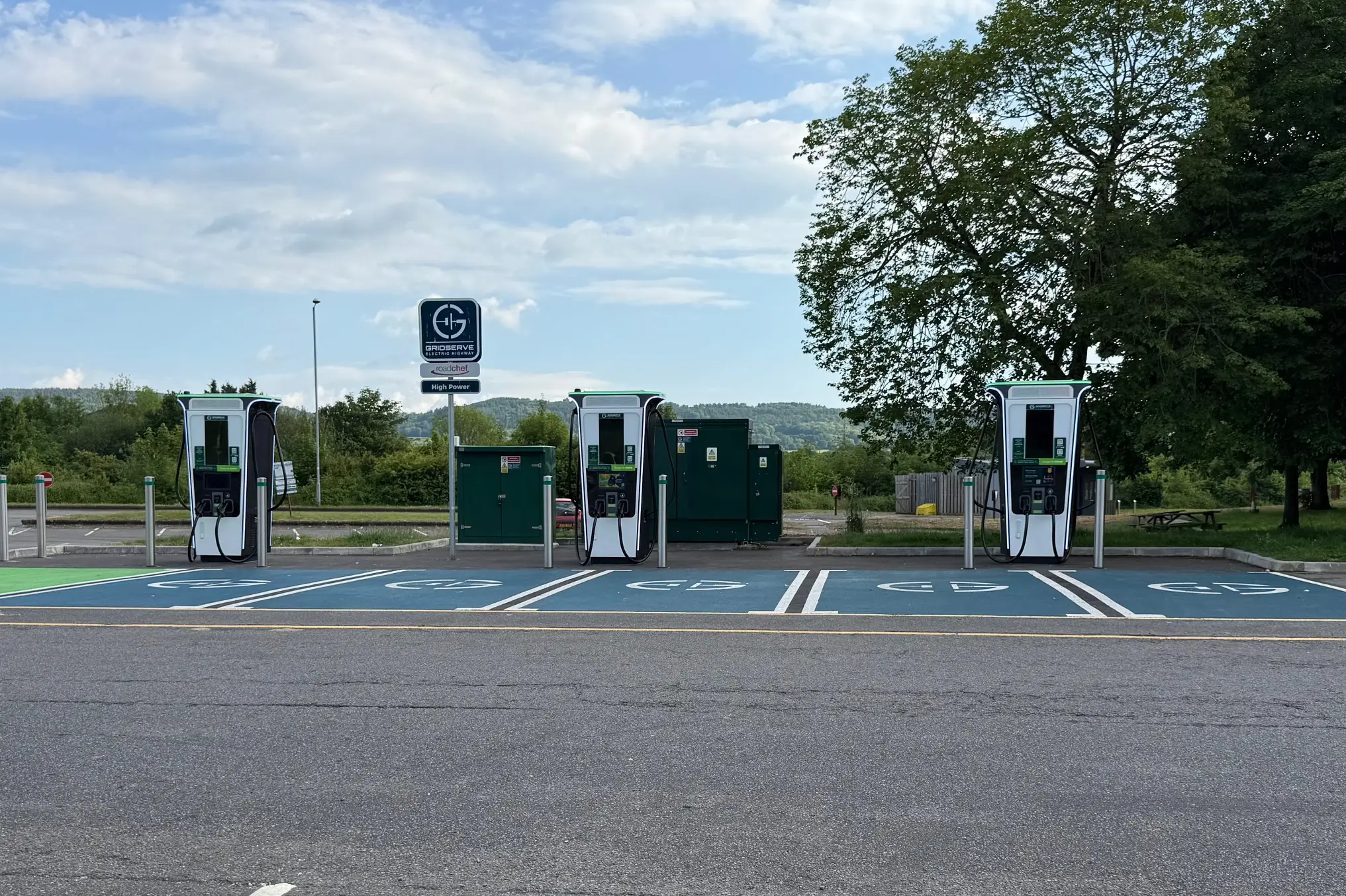
Designed for quicker charging stops. Some chargers offer 150kW or more, although your vehicle may charge at a lower rate.

Useful tip: A 150kW charger does not mean every EV will charge at 150kW. Battery temperature, charge level and vehicle limitations can affect the actual charging speed.

🔌 Which Charging Connector Do I Need?

Not every charging cable or connector works with every electric vehicle. Check your vehicle's charging specification before purchasing equipment or visiting a charger.

Type 2

Widely used for AC charging in the UK and Europe. Commonly found on home chargers and public AC charge points.

CCS (Combined Charging System)

Commonly used for rapid DC charging on modern European-market electric cars. The connector combines AC and DC charging connections in one vehicle inlet.

CHAdeMO

An alternative DC rapid-charging connector found on certain vehicles, including some older electric models. Availability varies between charging locations.

Before buying a cable: Check connector type, cable length, current rating, certification and compatibility with your vehicle.

🏠 Is Home EV Charging Worth Considering?

Home charging can be a convenient way to keep an electric vehicle ready for everyday journeys, particularly if you have suitable off-street parking.

Potential Benefits

✓ Charge while your vehicle is parked overnight.

✓ Take advantage of suitable off-peak electricity tariffs.

✓ Reduce reliance on public charging for routine journeys.

✓ Use smart scheduling where supported.

A dedicated home EV charger should be installed by a suitably competent electrical installer. Property suitability, electrical capacity and any necessary permissions should be assessed beforehand.

Important: Installation costs, available grants and potential savings vary. Check current eligibility and obtain an installation assessment before committing.

£ Understanding EV Charging Costs

Electricity used for charging is usually measured in kilowatt-hours (kWh).

Example charging calculation

30kWh × £0.25

= £7.50

Illustrative electricity cost only

This example assumes 30kWh of billable electricity at 25p per kWh. It is not a live tariff or a quotation.

Actual costs depend on your tariff, charger operator, electricity consumed, charging losses and any additional applicable charges.

Money-saving tip: Compare the full cost of charging, including any parking, subscription or overstay charges.

♡ Looking After Your EV Battery

Electric vehicle batteries are designed for repeated charging and use. Their condition can be influenced by age, temperature, charging patterns and vehicle design.

Helpful Battery Habits

✓ Follow your manufacturer's recommended charging limits.

✓ Avoid leaving the battery at extremely low charge for extended periods where possible.

✓ Use battery preconditioning when supported and appropriate.

✓ Follow the vehicle's guidance for long-term storage.

Did you know? Charging commonly slows as the battery approaches a high state of charge, particularly during rapid DC charging. Charging from 80% to 100% can therefore take proportionately longer than an earlier part of the session.

◇ Planning a Longer Electric Journey

A little preparation can make longer EV journeys more straightforward.

Before Setting Off

1. Check your available driving range.

2. Identify compatible charging locations along your route.

3. Check charger availability and payment methods.

4. Allow extra time and consider alternative charging stops.

5. Account for weather, speed, traffic and vehicle load.

Motor Bridge tip: Use our journey planning and EV charging tools to help identify suitable stopping places and charging opportunities. Confirm live availability with the charging operator before relying on a particular location.

Good to Know

This guide provides general information for UK motorists. Charging performance, costs, compatibility and installation requirements vary by vehicle, equipment, property and provider. Always follow manufacturer instructions and check current information with the relevant supplier or qualified professional. Motor Bridge does not install or supply charging equipment through this guide.

Electric Vehicle Solutions – Frequently Asked Questions
Is it cheaper to charge an electric vehicle at home?

Home charging can be cheaper than using public rapid chargers, particularly if you have access to a suitable off-peak electricity tariff. However, actual costs depend on your electricity rate, charging efficiency and the prices charged by public operators. Consider installation costs when comparing overall expenses.

How long does it take to charge an electric vehicle?

Charging time depends on battery capacity, the vehicle's charging capabilities, the charger's available power and battery conditions. Home charging often takes several hours, while compatible rapid chargers may add a substantial amount of charge more quickly. Charging speeds can reduce as the battery fills.

Can I install an EV charger at any property?

Not every property is suitable for a dedicated EV charger. Installation depends on factors including electrical capacity, parking arrangements, cable routing and any required permissions. A suitably competent installer should assess the property before installation. Tenants and leaseholders may need additional consent.

Can I charge my electric vehicle using a normal household socket?

Some vehicles support charging through an appropriate domestic socket using manufacturer-approved equipment. However, prolonged high electrical loads may create safety risks if the socket or wiring is unsuitable. Never use a domestic extension lead for EV charging. Seek advice from a suitably competent electrician and follow the manufacturer's instructions.

Do all electric vehicles use the same charging cable?

No. Connector types and charging capabilities vary between vehicles. Type 2 is widely used for AC charging in the UK, while CCS and CHAdeMO are examples of DC rapid-charging connectors. Always confirm the vehicle's connector type and the cable's electrical rating before purchasing or using charging equipment.

Are government grants available for home EV chargers?

Government support may be available for certain eligible applicants and properties, depending on the scheme and location within the UK. Eligibility, funding amounts and application requirements can change. Check the current information on GOV.UK or the relevant devolved administration's website before making an application.

Does rapid charging damage an electric vehicle battery?

Rapid charging is supported by many electric vehicles and is generally safe when compatible equipment is used correctly. However, frequent high-power charging, temperature and charging patterns can influence long-term battery ageing. Follow your vehicle manufacturer's guidance for charging and battery care.

Can I charge an electric vehicle in the rain?

Properly installed and maintained EV charging equipment is designed for use in normal outdoor weather conditions, including rain. Follow the equipment manufacturer's instructions and avoid using damaged connectors, cables or charging equipment. Do not use equipment that has been submerged or is otherwise unsafe.

How can I find public EV charging stations?

EV charging maps and journey planning tools can help identify charging locations along your route. Motor Bridge provides tools to help motorists explore charging opportunities and suitable journey stops. Always confirm connector compatibility, availability, pricing and access arrangements with the charging operator before relying on a particular location.

Do electric vehicles require servicing and maintenance?

Yes. Electric vehicles still require inspections and maintenance according to the manufacturer's schedule. This may include tyres, brakes, suspension, steering, cabin filters, cooling systems and other vehicle-specific components. High-voltage systems should only be worked on by appropriately trained professionals.

Important Information

These FAQs provide general guidance for UK motorists and are not a substitute for professional electrical, technical or financial advice. Charging compatibility, installation requirements, costs, grants and vehicle specifications vary. Always check current information with the relevant manufacturer, installer, provider or official authority. Some links on Motor Bridge may be affiliate links, meaning we may earn a commission if you make a purchase, at no additional cost to you through our referral.

How Much Could It Cost to Charge an Electric Car?

With the UK planning to phase out sales of new petrol-only and diesel-only cars from 2030, and requiring new cars to be zero-emission from 2035, more motorists are exploring the possibility of switching to electric.

Curious about the cost of charging an electric vehicle? Try GoCompare's free interactive EV charging cost calculator to explore estimated charging costs based on your vehicle, charging power and electricity price.

Try GoCompare's Free Calculator

Opens GoCompare in a new tab. Estimates are illustrative; actual charging costs may vary.

Important Information

The information provided by Motor Bridge UK is intended for general guidance and to help UK motorists explore available options. It does not replace professional advice, official guidance or independent research.

Products and services featured may be provided by independent third parties. Prices, availability, suitability and terms may vary, so please check all relevant details directly with the provider before making a decision.

Affiliate Disclosure: Some links may be affiliate links, meaning Motor Bridge UK may earn a commission from qualifying purchases or enquiries, at no additional cost to you. This helps support our free motoring information and tools.

EXPLORE OUR

Motoring Solutions

Everything you need for a smoother, safer and more enjoyable journey.

Garage, Servicing, Repair & MOT

Find servicing, repairs and MOT testing.

Explore

Breakdown & Recovery

Find help when you need it.

Explore

Parts & Tools

Find vehicle parts and workshop tools.

Explore

EV Charging

Find charging services for electric vehicles.

Explore

Renting A Vehicle

Flexible rental options for every journey.

Explore

Vehicle Valuations

Discover what your vehicle could be worth.

Explore

Learning To Drive

Find resources and driving instructors.

Explore

Vehicle Warranties

Explore vehicle warranty providers.

Explore

Parking

Discover parking solutions for your journey.

Explore

Fleet Services

Solutions for businesses and fleets.

Explore

Buying A Vehicle

Find, compare and buy with confidence.

Explore

Tyres & Wheels

Find tyres, wheels and fitting services.

Explore

Insurance

Explore cover for your motoring needs.

Explore

Selling A Vehicle

Explore your options for selling your vehicle.

Explore

Valet’s & Detailing

Explore vehicle valeting and detailing.

Explore

Accident Management

Find help following a vehicle collision.

Explore

Keys & Locksmiths

Find vehicle keys and locksmith services.

Explore

Tuning & Modifications

Explore tuning and vehicle modifications.

Explore

Styling & Accessories

Discover upgrades and vehicle accessories.

Explore

Resting Places & Hotels

Find rest stops and accommodation.

Explore

Security & Tracking

Explore vehicle security and tracking.

Explore

Vehicle History Checks

Check a vehicle’s history before you buy.

Explore

Personalised Registrations

Find personalised number plate options.

Explore

Road Navigation

Explore mapping and navigation options.

Explore

Fuel

Find fuel services and compare your options.

Explore

Financing A Vehicle

Explore finance options for vehicles.

Explore

Storage

Explore secure vehicle storage solutions.

Explore

Leasing A Vehicle

Explore personal and business leasing.

Explore

Automotive Glass

Find vehicle glass repairs and replacement.

Explore