
Virtual Garage

MOTOR BRIDGE UK / MOTORING SOLUTIONS

Tyres & Wheels – Find the Right Fit

Explore tyre and wheel options to suit your vehicle, driving needs and budget. Whether you're replacing worn tyres, looking for seasonal options or upgrading your wheels, Motor Bridge helps you understand your choices, discover useful motoring guidance and connect with UK tyre suppliers and fitting services to keep you moving safely and confidently.
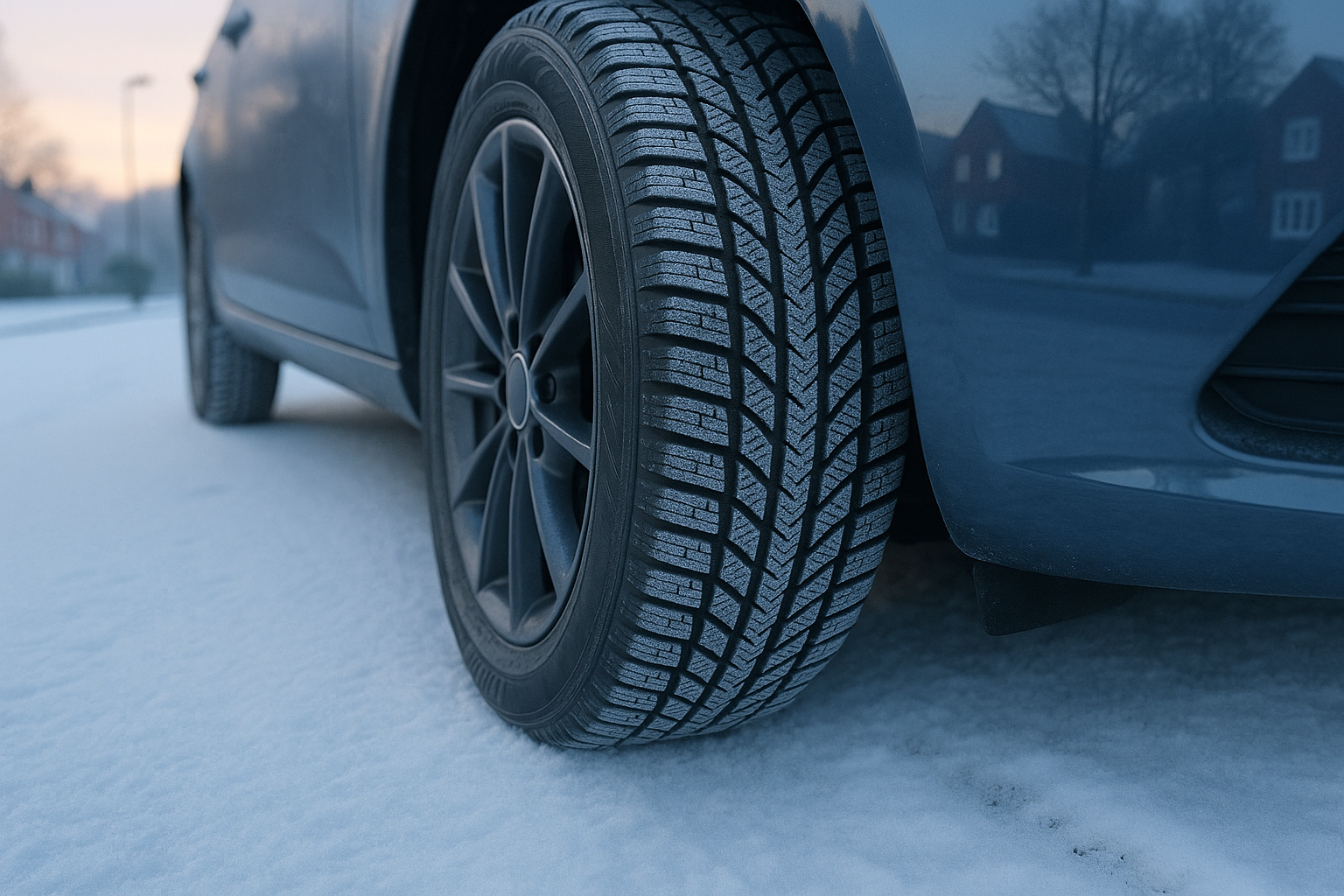
tyres and wheels

Find Tyres, Wheels & Fitting Services

mytyres.co.uk

Explore a wide selection of tyres for different vehicles, driving needs and budgets at mytyres.co.uk, with convenient online ordering and fitting options.

Explore mytyres.co.uk

Ad · We may earn a commission.

Tyres UK

Find the right tyres at competitive prices with Tyres.net (Tyres UK). Compare a wide selection of leading tyre brands, sizes and prices from multiple retailers, helping you make an informed choice and find great value for your vehicle.

Explore Tyres UK

Ad · We may earn a commission.

MOTOR BRIDGE MOTORING GUIDE

Tyres & Wheels – Get to Grips with the Basics

Your tyres and wheels play an important role in keeping your vehicle moving safely. Whether you're choosing replacements, considering new alloys or simply checking your tyres, explore our interactive guide to understand what matters and discover some useful motoring tips along the way.

🛞

What's Written on Your Tyre?

Ever wondered what those numbers and letters mean? They're not random! They tell you important information about the tyre's dimensions and ratings.

205/55 R16 91V
Example tyre marking

👇 Select each marking to reveal what it means.

205 – Width +
The tyre's nominal section width is 205 millimetres.
55 – Profile +
The sidewall height is 55% of the tyre's nominal width.
R – Type +
R identifies radial construction, commonly used on modern cars.
16 – Diameter +
Designed for a wheel rim with a nominal diameter of 16 inches.
91 – Load +
Load index 91 corresponds to a maximum rated load of 615kg per tyre under specified conditions.
V – Speed +
V corresponds to a rated speed capability of up to 149mph (240km/h), subject to applicable conditions. This is not a legal driving speed.

Always check your vehicle manufacturer's approved tyre specifications. The markings on tyres currently fitted to a vehicle do not necessarily confirm they are suitable.

Explore Tyres & Wheels

Discover what matters when choosing, maintaining or replacing your tyres and wheels. Open any card to learn more.

🛞 Choosing the Right Tyres It's about more than the price. +
Choosing suitable tyres involves checking the correct size, load index, speed rating and any vehicle-specific requirements. Consider your typical driving conditions, manufacturer guidance and relevant tyre performance information. A qualified tyre supplier can help confirm compatibility.
🌧️ Summer, Winter & All-Season Different tyres, different conditions. +
Summer tyres are generally developed for warmer conditions, winter tyres for colder weather, and all-season tyres offer a compromise across a range of conditions. Performance varies by tyre and road conditions, so consider what suits your vehicle and driving requirements.
📏 Tread Depth & Safety Know the UK legal requirements. +
For cars, light vans and light trailers, the UK legal minimum is generally 1.6mm across the central three-quarters of the tread breadth and around the entire circumference. Other vehicle categories can have different requirements. Adequate tread alone does not guarantee a tyre is safe.
🔧 Wheel Alignment & Balancing Two different maintenance procedures. +
Alignment concerns the angles and positioning of your wheels, while balancing addresses uneven weight distribution within the wheel and tyre assembly. Problems may contribute to vibration, unusual tyre wear or handling concerns. A professional inspection can help identify the cause.
⚙️ Alloy & Steel Wheels Looks aren't everything! +
Alloy and steel wheels are available in different designs and specifications. When choosing replacements or upgrades, consider wheel diameter, width, offset, fixing pattern, centre bore, load capacity and clearances. Always confirm compatibility before fitting.
🔍 Spotting Tyre Problems Warning signs worth knowing. +
Look out for bulges, cuts, exposed cords, uneven wear and repeated pressure loss. These can indicate damage or underlying vehicle problems. If you suspect a tyre is unsafe, avoid driving on it and arrange appropriate professional assistance.
💡

Did You Know?

Tyre pressures can change as temperatures change. Checking them regularly when cold, using your vehicle manufacturer's recommended pressures, helps you identify when adjustment may be needed.

The Highway Code advises drivers to check tyre pressures weekly. Remember that carrying additional passengers or luggage may require different pressures.

🎯

Test Your Tyre Knowledge!

Think you know your tyres? Open the questions to reveal the answers.

🎯 Can a tyre be unsafe even with legal tread depth? +
Yes! A tyre may have sufficient tread but still be unsafe because of damage, deterioration or other defects.
🎯 Does every vehicle use the same tyre pressure? +
No! Recommended pressures vary by vehicle and load. Always use your manufacturer's specifications.
🎯 Can any alloy wheel be fitted if the diameter matches? +
No! Wheel compatibility also depends on width, offset, fixing pattern, centre bore, load capacity and other specifications.

🛡️ Motor Bridge Safety Reminder

Check your tyres regularly for correct pressure, adequate tread and visible damage. Tyres and wheels must be suitable for your vehicle. If you notice unusual handling, vibrations or suspected damage, seek professional advice before continuing to drive where safety may be affected.

Important information: This guide is intended for general information only and does not replace vehicle manufacturer instructions, professional inspections or official UK legal guidance. Requirements may vary by vehicle category. Motor Bridge does not independently assess the suitability of individual tyres or wheels. Products and services provided by third parties are subject to their own terms. Some partner links may be affiliate links, meaning Motor Bridge may earn a commission from qualifying purchases or enquiries at no additional cost to you.

Tyres & Wheels FAQs Your questions answered about tyre safety, sizing, maintenance and wheels.

Looking for answers? Explore our frequently asked questions to learn more about choosing, maintaining and replacing your tyres and wheels. Select any question to reveal the answer.

What is the legal minimum tyre tread depth in the UK?
For most cars and light vans, the legal minimum tread depth is 1.6mm across the central three-quarters of the tyre's breadth and around its entire circumference. Requirements may differ for other vehicle categories. Tyres must also be in a safe, roadworthy condition.
How do I find the correct tyre size for my vehicle?
Tyre sizes are displayed on the sidewall, usually in a format such as 205/55 R16 91V. However, tyres already fitted to a vehicle may not necessarily be correct. Check your vehicle handbook, manufacturer specifications or approved fitment information before purchasing replacements.
How often should I check my tyre pressures?
The Highway Code advises checking tyre pressures weekly. Check them when the tyres are cold, using the pressures recommended by your vehicle manufacturer. Different pressures may be specified depending on the vehicle's load.
What's the difference between summer, winter and all-season tyres?
Summer tyres are generally developed for warmer conditions, winter tyres for colder weather, and all-season tyres are designed to offer a compromise across different conditions. Performance varies between individual products, so consider manufacturer recommendations, local weather and your typical driving requirements.
Can I mix different tyre brands on my vehicle?
Different tyre brands may sometimes be used together, provided the tyres meet relevant legal requirements and are suitable for the vehicle. Tyre dimensions, construction, load and speed ratings, as well as manufacturer requirements, must be considered. Some combinations are restricted, so seek professional guidance if unsure.
When should I replace my tyres?
Tyres may need replacing because of tread wear, damage, ageing or deterioration. Bulges, exposed cords, significant cuts or persistent pressure loss should be assessed promptly by a qualified tyre professional. A tyre can be unsafe even if it meets the minimum legal tread depth.
What causes uneven tyre wear?
Uneven tyre wear can be caused by incorrect tyre pressures, wheel alignment problems, suspension wear or other mechanical issues. A professional inspection can help identify the cause and determine whether repairs, adjustments or tyre replacement are necessary.
What's the difference between wheel alignment and balancing?
Wheel alignment concerns the positioning and angles of the wheels relative to the vehicle. Balancing addresses uneven weight distribution in a wheel and tyre assembly. Both may affect driving comfort and tyre wear, but they correct different problems.
Can I fit larger alloy wheels to my car?
Some vehicles can accommodate alternative wheel sizes, but compatibility must be confirmed before fitting. Wheel width, diameter, offset, fixing pattern, centre bore, load rating and clearances are important. Modifications may also need to be declared to your insurer.
Are budget tyres a suitable option?
Tyres sold for road use must meet applicable legal requirements, but their performance characteristics vary. Price alone does not determine suitability or safety. Check tyre specifications, labelling and independent test information where available before choosing.
Can a punctured tyre be repaired?
Some punctures can be repaired depending on the location and extent of the damage, tyre construction and overall condition. A competent tyre professional should inspect the tyre and determine whether a safe repair is possible. Not all damaged tyres are repairable.
Where can I find tyres and wheel fitting services?
Motor Bridge helps UK motorists discover independent tyre suppliers and fitting services. You can explore available options and check specifications, prices, availability, fitting arrangements and terms directly with your chosen provider. Motor Bridge does not guarantee individual product suitability or availability.
Important Information

These FAQs provide general information for UK motorists and do not replace professional advice, manufacturer specifications or official legal requirements. Requirements can vary by vehicle type. Motor Bridge does not independently inspect or verify individual tyres or wheels. Some third-party links may be affiliate links, meaning Motor Bridge may receive a commission from qualifying purchases or enquiries at no additional cost to you.

Important Information

The information provided by Motor Bridge UK is intended for general guidance and to help UK motorists explore available options. It does not replace professional advice, official guidance or independent research.

Products and services featured may be provided by independent third parties. Prices, availability, suitability and terms may vary, so please check all relevant details directly with the provider before making a decision.

Affiliate Disclosure: Some links may be affiliate links, meaning Motor Bridge UK may earn a commission from qualifying purchases or enquiries, at no additional cost to you. This helps support our free motoring information and tools.